

Answers at a Glance
What is facial contouring surgery, and and who is it right for?
Facial contouring surgery refines the shape of the cheekbones, the angle of the lower jaw (square jaw), and the chin to create a softer, more balanced facial outline. Because its purpose is aesthetic improvement rather than function, The Barunface first clearly understands the change the patient hopes for, and recommends surgery only after using 3D CT to judge whether it can actually meet that expectation. A board-certified oral & maxillofacial surgeon personally performs cheekbone reduction (L-osteotomy), square jaw reduction (long curved resection · cortical bone resection), genioplasty (T·Y·inverted-V osteotomy), and the combined V-line and 3-procedure contouring surgery.
- Operating Surgeon
- Dr. Sang-Hoon Lee, board-certified oral & maxillofacial surgeon · Certified specialist in maxillofacial plastic and reconstructive surgery
- Diagnosis
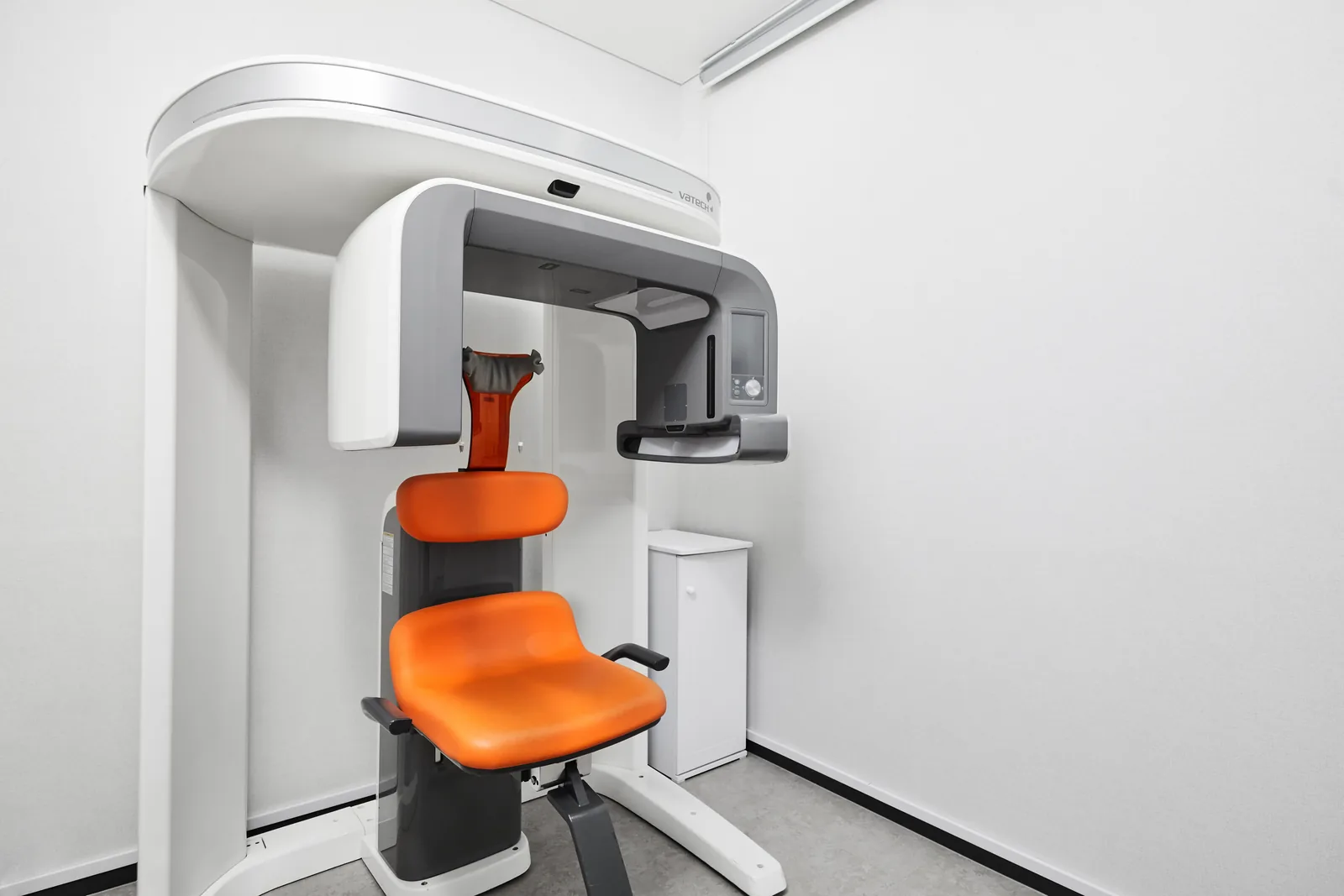
- Nerve canal and bone thickness measured with Large FOV CBCT and 3D analysis software
- Surgical equipment
- Piezo (ultrasonic osteotome) · General anesthesia equipment · Central patient monitor
Board-Certified Oral & Maxillofacial Surgeon Dr. Sang-Hoon Lee Medically reviewed ·
Request a Consultation Consultation Prep Card2 related cases
- Surgery Time
- 1–1.5 hours per area; about 3 hours for 3 procedures
- Anesthesia
- General anesthesia · Anesthesiologist
- Hospital Stay
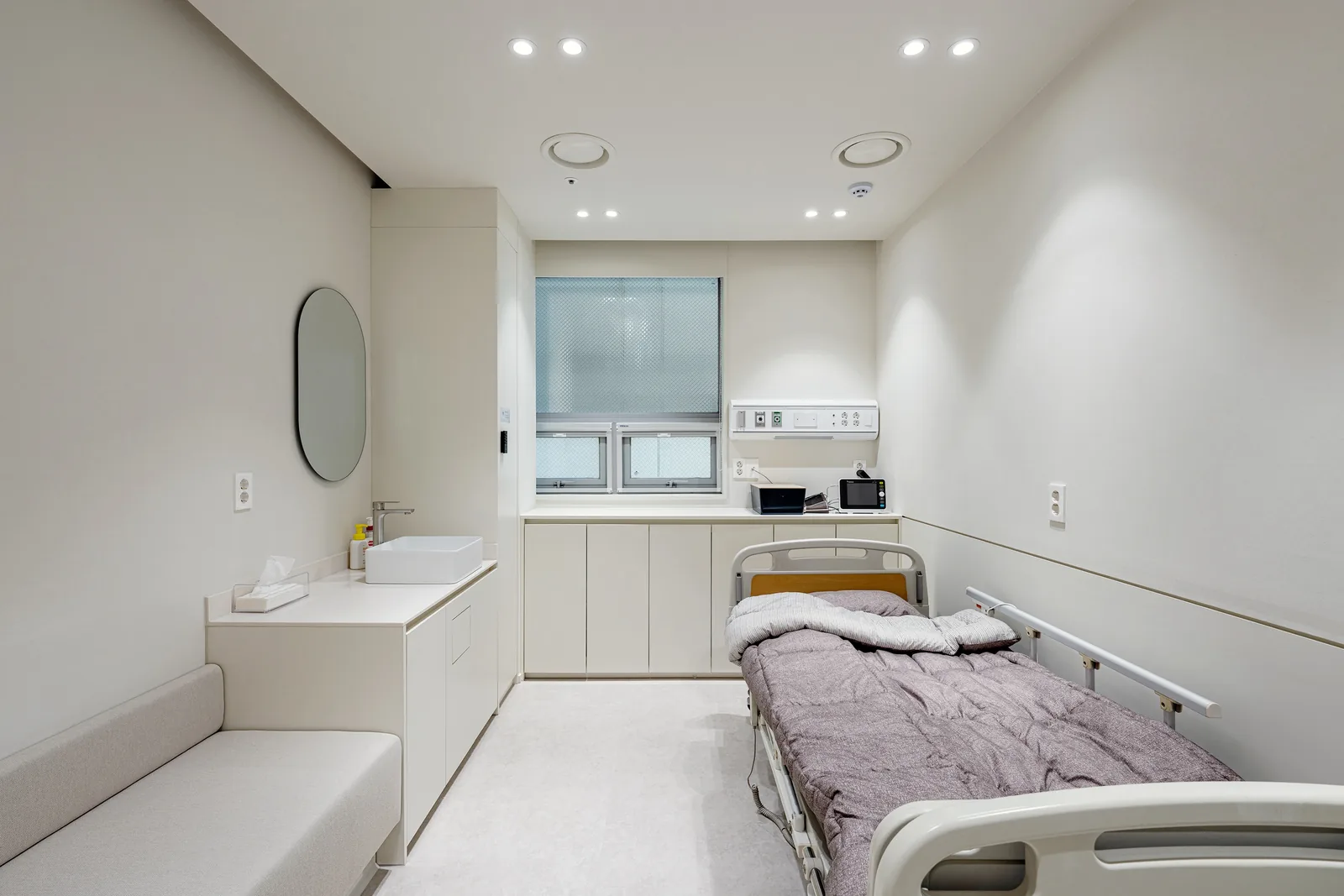
- Private inpatient room, 1–2 days
- Suture Removal
- About 2 weeks (inside the mouth)
- Return to Daily Life
- 1–2 weeks (varies by individual)
- Compression band
- About 1 week
This content was reviewed by board-certified oral & maxillofacial surgeon Dr. Sang-Hoon Lee, Directorfor medical accuracy · Last reviewed
Recommended for You If
- Those whose cheekbones protrude from the side view, making the face look wide and strong
- Those whose lower jaw angle looks angular from the front, or whose jawline is wide
- Those whose chin is long, wide, or blunt, so that the jawline does not taper smoothly
- Those whose left-right contour asymmetry comes from differences in the bone
- Those concerned about the "shape of the bone," which Botox, fillers, and lifting cannot change
Facial contouring surgery, explained by Dr. Lee in videos
From the YouTube channel '안될 턱이 있나', we've gathered only the videos related to facial contouring surgery in which Dr. Sang-Hoon Lee answers questions frequently asked in the consultation room. Click to play them right here.
YouTube channel 안될 턱이 있나 These videos are published with patient consent. Results and recovery vary from person to person.
Who benefits from facial contouring surgery?
It works when the cause of your concern is "bone." This includes cheekbones that truly protrude, a jaw angle that has developed outward or downward, or a chin that is long and wide. If the cause is fat, muscle, or skin laxity rather than bone, a non-surgical treatment may be a better fit than surgery.
That is why, at your consultation, we first look at bone thickness and shape, the position of the nerve canal, and the width-to-length proportions of your face on 3D CT. If your cheekbones do not protrude much or your face is already narrow, we honestly tell you that shaving the bone is unlikely to bring a dramatic change. In fact, there are cases of patients who came in wanting cheekbone reduction but were recommended contour injections or Shurink as an alternative, as shown in our consultation recordson file.
How is cheekbone reduction performed?
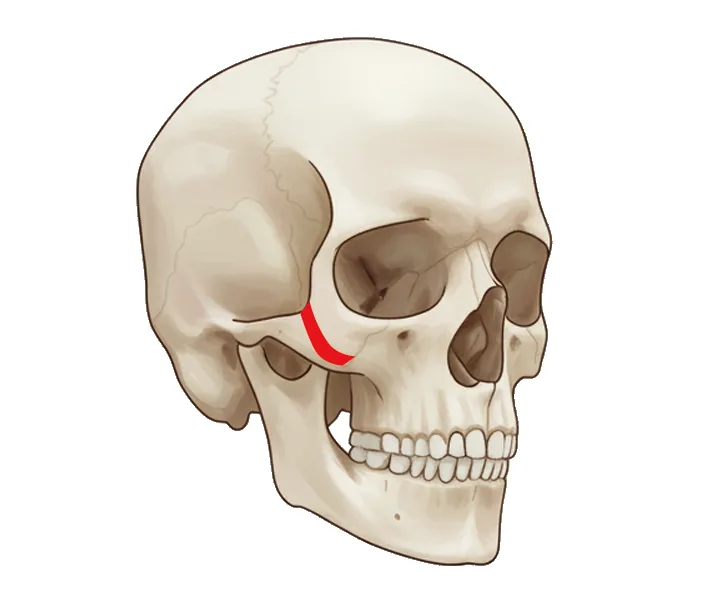
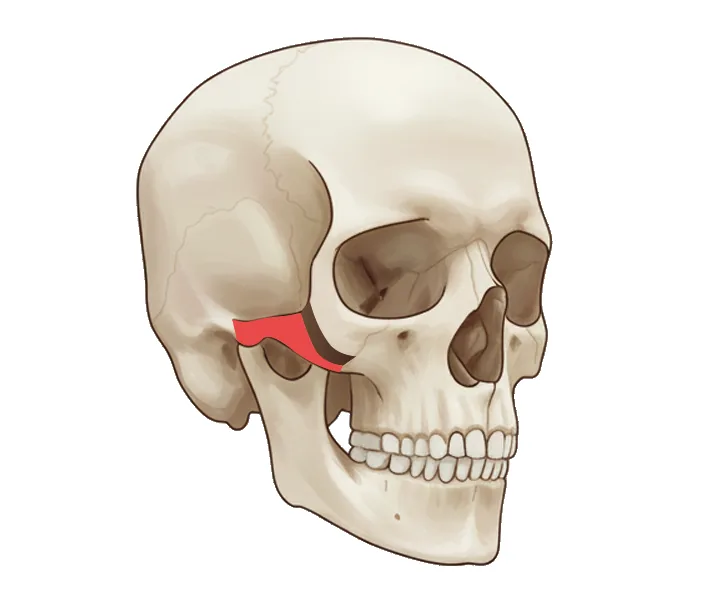
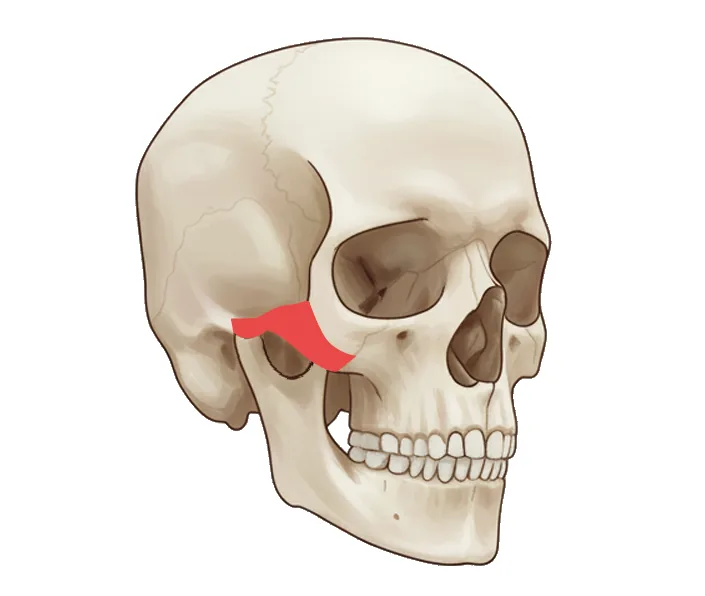
We make small incisions at the front of the cheekbone (inside the mouth) and at the side (within the hairline in front of the ear). The cheekbone is cut in an L shape, moved inward and backward, and fixed with plates. Rather than shaving bone away, we "reposition" it to reduce width, which helps limit sagging and creates a natural curve.
How much bone is removed in square jaw surgery?
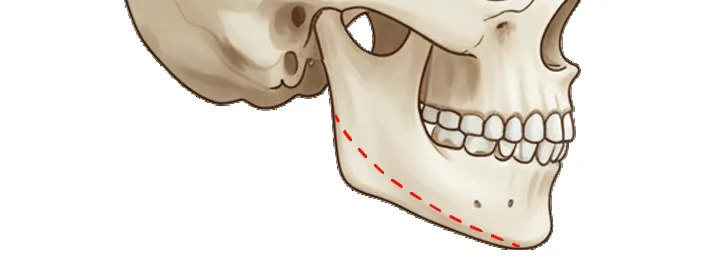
We resect bone along a long curve from the jaw angle to the chin (long-curve resection) to soften the angular line, and if needed, thinly grind the outer cortical bone (cortical bone resection) to reduce the width seen from the front. The amount removed is determined by the position of the mandibular nerve canal and bone thickness, and removing a lot is not the goal.
If the square jaw sits low on the face, the amount of bone that can be removed surgically is limited. In such cases, we guide you to decide by weighing the change surgery can achieve against the burden of the operation. For those with thick jaw muscles, Botox may also be used before and after surgery.
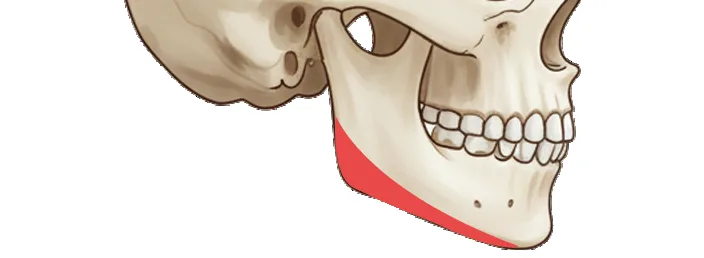
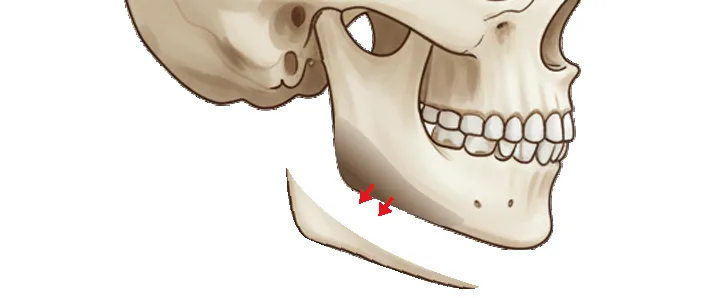
What methods are there for chin surgery?
Depending on the chin's length, width, protrusion, recession, and asymmetry, we choose the most suitable method among T-osteotomy, Y-osteotomy, modified Y-osteotomy, and inverted-V osteotomy. The principle is to separate the chin bone, move it in the desired direction, and fix it in place, shaping the chin from your own bone without implants.
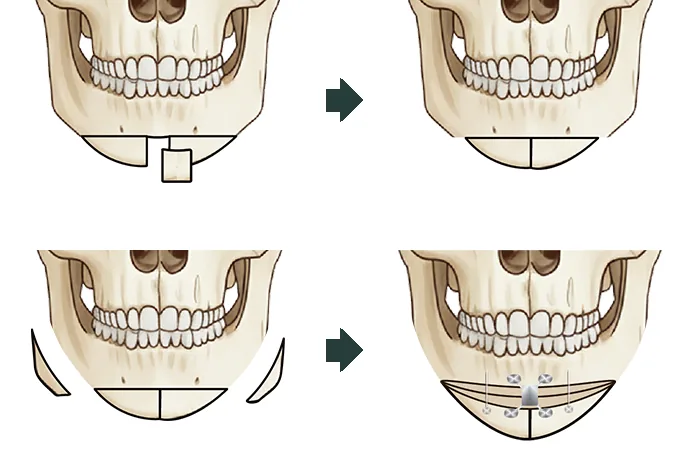
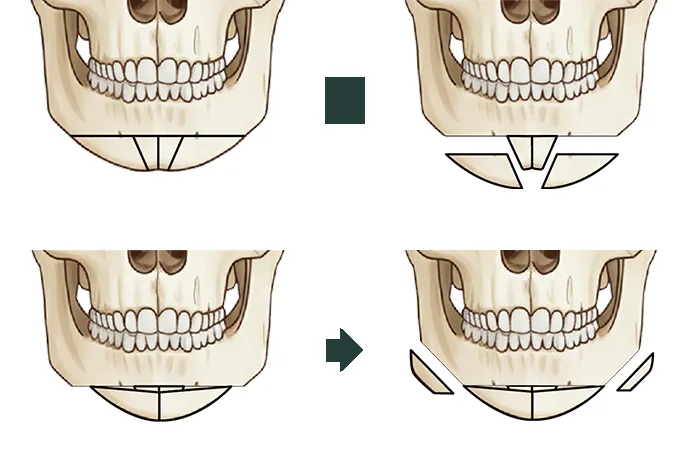

How do V-line surgery and 3-part contouring differ?
V-line (mini V-line) surgery refines the square jaw and chin together to bring the jawline into a V shape, and 3-part contouring adds cheekbone reduction to this. If the cheekbones are not the issue, 2 parts is the right choice rather than 3, and the reverse is also true.
The more areas that are treated, the greater the operating time and the burden of swelling and recovery. Our principle is that the Director "does not expand the scope of surgery just to create a bigger change, but proposes only as much as needed, considering your condition and desired direction."
Can sagging occur after contouring surgery?
If soft tissue cannot keep up with the reduced bone, sagging may be noticeable. This is especially true when the cheekbones are reduced significantly or as age increases. For this reason, we use osteotomy techniques that reposition the bone, decide the amount of resection carefully, and support your recovery after surgery with care such as Shurink (HIFU) and LDM.
What are swelling and recovery like after surgery?
Swelling is usually at its peak around days 2–3 and largely subsides within 1–2 weeks. Swelling mainly appears in the cheek area after cheekbone surgery and along the jawline after square jaw and chin surgery. A compression band is worn for about 1 week, and the stitches inside the mouth are removed at around 2 weeks.
During your hospital stay, we apply swelling-management injections and Smartlux and LDM regenerative laser treatments depending on your condition. Reduced sensation in the jaw area after contouring surgery mostly recovers within several weeks to months, but in rare cases some may remain.
Contouring surgery comparison by area
| Cheekbone Reduction Surgery | Square Jaw Reduction Surgery | Genioplasty (Chin Surgery) | |
|---|---|---|---|
| What changes | Mid-face width · side-profile projection | Lower jaw angle · jawline width | Chin length · width · direction |
| Osteotomy method | L-cut with inward movement | Long-curve resection · cortical bone resection | T · Y · inverted-V osteotomy |
| Incision location | Intraoral + 2–3mm in front of the ear | Intraoral | Intraoral |
| Surgery Time | Approx. 1–1.5 hours | Approx. 1–1.5 hours | Approx. 1 hour |
| Key precautions | Sagging · asymmetry | Nerve damage · Secondary angle | Reduced sensation · Asymmetry |
When the Director Recommends Surgery
Whether to recommend facial contouring surgery is decided by diagnosis, not by photos or trends. Below are the criteria Dr. Lee actually uses in consultations, in his own words.
Contouring surgery is performed for aesthetic improvement rather than functional improvement, and it must be able to meet the patient's needs. That is why I always identify the patient's expectations accurately and judge whether contouring surgery can meet them.
The goals and direction the patient hopes to achieve through surgery must match the goals and direction of the surgeon performing it.
A consultation where surgery was not recommended
Even when patients come with the same concern, there are cases where surgery is not the answer once skeletal condition and the desired change are considered. This is the conclusion of a consultation where the director made that judgment.
Surgery itself could be considered, but with your current bone structure the change you can expect is limited, so I do not actively recommend square jaw surgery.
See the three consultations where surgery was not recommended
Tests and Preparation Before Your Consultation
Facial bone surgery is not decided by appearance alone. At your first consultation, we record how your bones, teeth, and face relate to one another using the tests below, and first judge from that data whether surgery is needed.
| Test | What We Look At |
|---|---|
| 3D CT (Large FOV CBCT) | We view the entire facial skeleton, along with the positions of nerves and tooth roots, in 3D. It can be taken on the day of your consultation. |
| Intraoral Scan · Dental Model | We digitally record how your upper and lower teeth fit together. |
| Facial Photos · Measurements | Using front, 45-degree, and side photos, we measure left-right differences and proportions. |
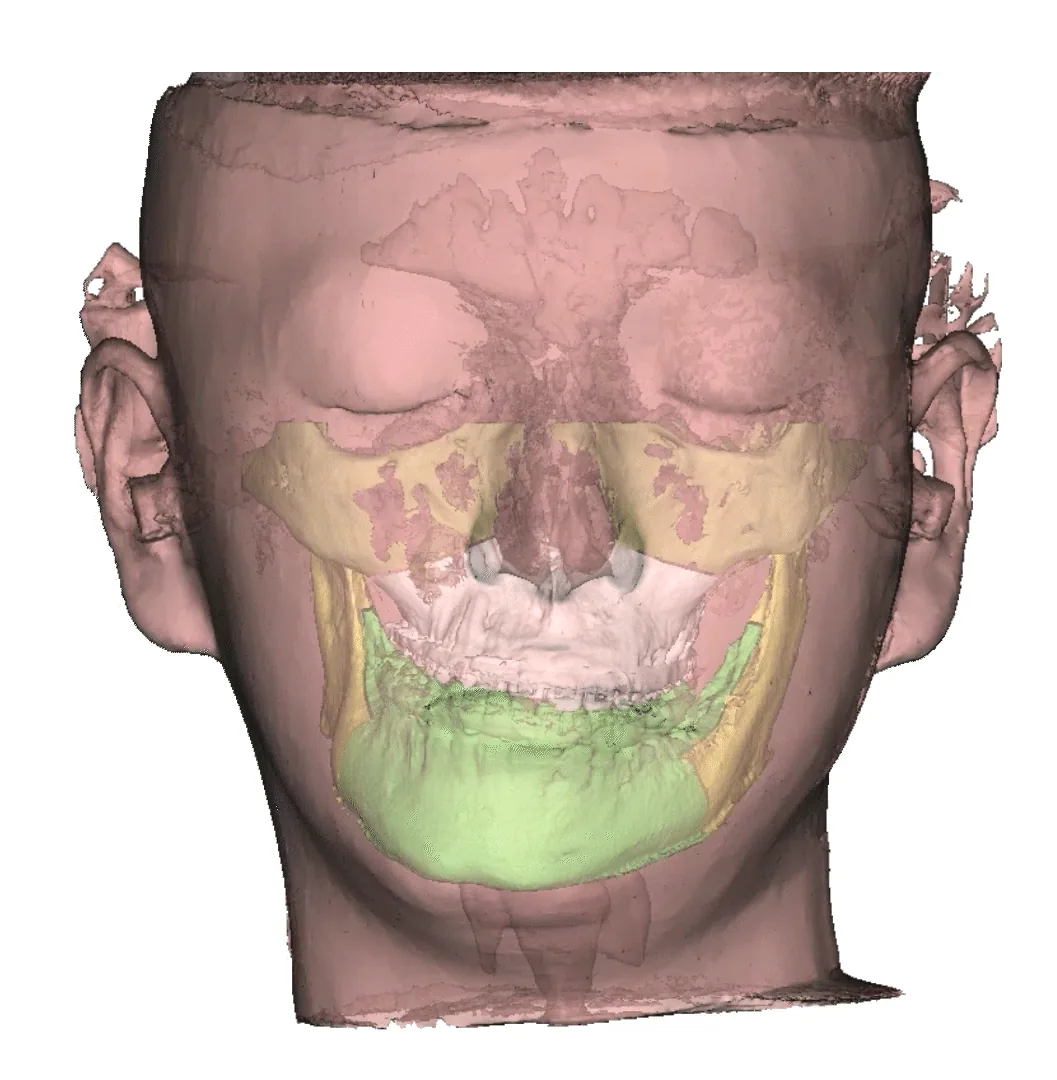
| 3D Virtual Surgical Planning (VSP) | On a 3D model that combines your CT, scans, photos, and models, Dr. Lee performs the surgery virtually first, and we review the expected changes together. |
What to Bring
- Referral from your orthodontist and orthodontic diagnosis records (if available)
- Previously taken CT, panoramic, and cephalometric images (records from other clinics are helpful too)
- Front and side-profile photos (to explain the changes you would like)
- Names of medications you are taking, systemic conditions, surgical history, and allergies
- Your school or vacation schedule, so we can plan surgery and recovery
How Your Care Proceeds
- 01
Consultation · 3D CT
We determine whether the cause of your concern is bone or soft tissue, and measure bone thickness, nerve canal position, and left-right differences.
- 02
Design
On the 3D model, we plan the osteotomy lines and the amount of movement, and together we look at which changes would look natural within the proportions of your whole face.
- 03
Pre-Surgery Tests
Pre-anesthesia tests such as blood tests and an ECG. We check the medications you take and any systemic conditions.
- 04
Surgery · Hospitalization
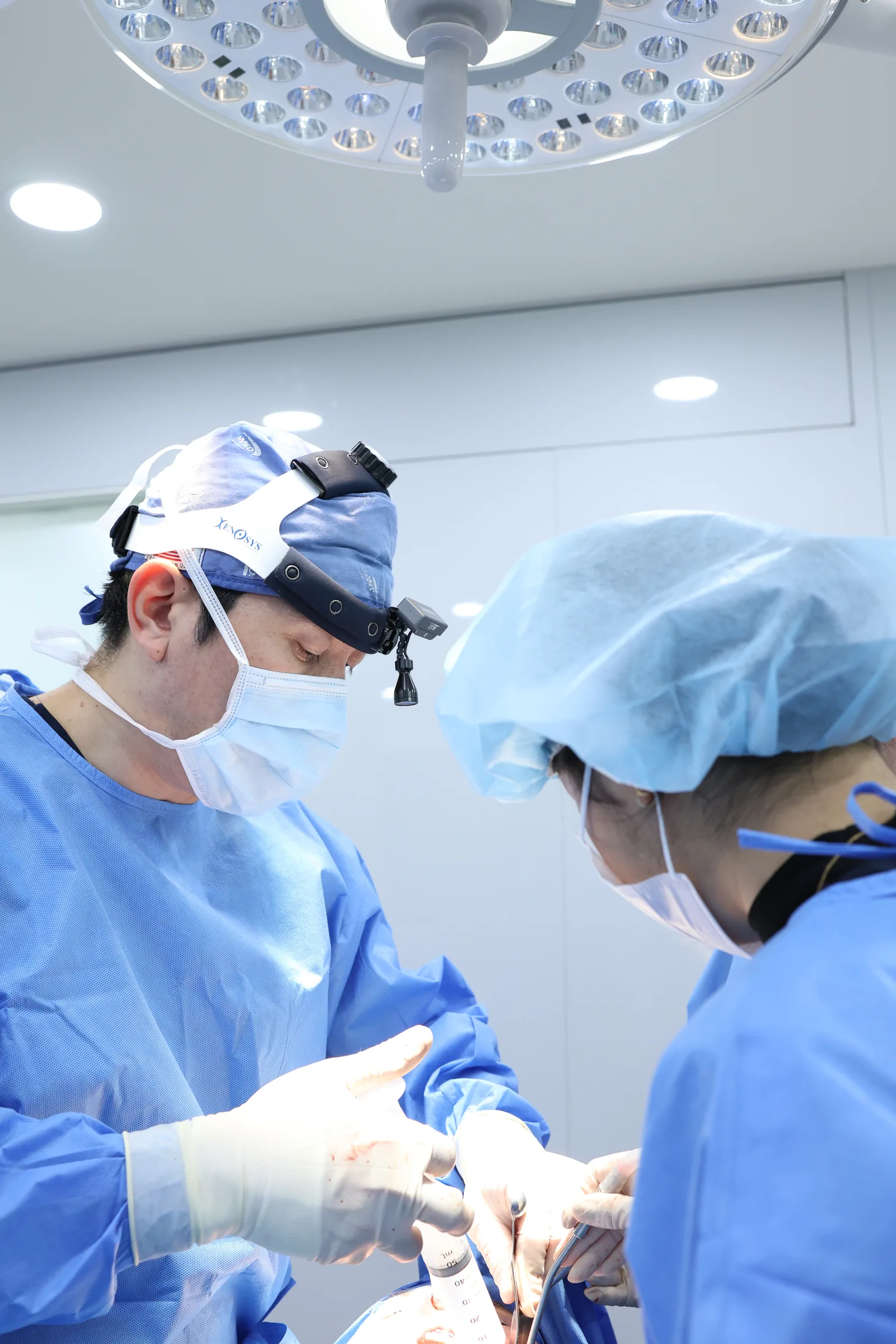
1–1.5 hours per area under general anesthesia. After the recovery room, 1–2 days in a private room.
- 05
Follow-up
1-week band · 2-week stitch removal · 1 month · 3 months · 6 months · 1 year. Dr. Lee checks on you personally.
How Recovery and Aftercare Continue
Recovery after facial contouring surgery generally proceeds in the order below. The timeline reflects an average course, and recovery speed varies from person to person.
| Timing | Condition and Care |
|---|---|
| Right after surgery – 1 week | Wear a compression band, apply ice packs, and keep your upper body elevated. Liquid to porridge-stage diet. |
| 2 – 4 weeks | Stitch removal, soft diet, return to light activity. Laser care for residual swelling. |
| 1 – 3 months | Residual swelling subsides and the contour begins to show. Be careful with hard foods and strenuous exercise. |
| 6 months – 1 year | Final contour stabilizes. Pin removal if needed. |
The surgeon who consulted with you oversees your facial contouring surgery from start to finish
At The Barunface, one person, Dr. Sang-Hoon Lee, a board-certified oral & maxillofacial surgeon, handles the consultation, diagnosis, 3D surgical planning, surgery, inpatient rounds, and follow-up. We do not hand off stages to staff or other doctors.
Because the surgeon who performs your surgery remembers the concerns and diagnosis from your first consultation, you can ask the same person directly about questions that arise during recovery, such as swelling, sensation, and bite after surgery. Since we are located in Seomyeon, you do not have to make long trips for each follow-up visit.
Before the actual surgery, I perform the surgery on a computer first. I try it one way and another, and think it through carefully. In the past, I could only imagine the jaw position and facial appearance after surgery in my head, but now I can see it directly in 3D, which helps me a great deal and helps patients understand the surgery much more easily.
Treatment Standards and Basis
- Operating Surgeon
- Dr. Sang-Hoon Lee, board-certified oral & maxillofacial surgeon · Certified specialist in maxillofacial plastic and reconstructive surgery
- Diagnosis
- Nerve canal and bone thickness measured with Large FOV CBCT and 3D analysis software
- Surgical equipment
- Piezo (ultrasonic osteotome) · General anesthesia equipment · Central patient monitor
- Recovery
- Private inpatient room, swelling-care injections, Smartlux · LDM, Shurink
- Insurance
- Non-covered (VAT not included)
Facial contouring surgery FAQ 20 questions
01How much does facial contouring surgery cost in Busan?
According to The Barunface's non-reimbursed fee schedule, chin surgery is 4,000,000 KRW (VAT not included), square jaw surgery is 5,000,000 KRW (VAT not included), and cheekbone surgery is 5,000,000 KRW (VAT not included). Facial contouring surgery is not covered by insurance (non-reimbursed), and VAT is charged separately. Base prices for each area are published in the non-reimbursed fee schedule, and anesthesia, hospitalization, and examination fees are added. The exact cost will be provided after diagnosis. The exact total will be provided in writing after diagnosis.
02How long is the recovery period for facial contouring surgery?
Returning to daily life usually takes 1–2 weeks (varies by individual). Immediately after surgery – 1 week: Wear a compression band, apply ice packs, and keep your upper body elevated. Meals progress from liquid to porridge. 2 – 4 weeks: Stitch removal, soft meals, and a return to light activity. Laser care for residual swelling. 1 – 3 months: Residual swelling subsides and the contour begins to show. Be careful with hard foods and strenuous exercise. 6 months – 1 year: The final contour settles. Pins are removed if needed. Recovery speed varies from person to person.
03What are the side effects of facial contouring surgery?
After contouring surgery, there may be swelling, bruising, reduced sensation, bleeding, infection, asymmetry, soft tissue sagging, a secondary angle (re-protrusion of the square jaw), jaw joint discomfort, and the possibility of revision surgery. Results vary from person to person, and expectations may differ from the actual change, so please review the range of expected change with a 3D simulation before surgery. All surgeries and procedures may involve side effects such as bleeding, swelling, bruising, sensory changes, infection, asymmetry, and the possibility of revision surgery, and results and recovery speed vary by individual. Please be sure to tell us about any systemic conditions, medications you are taking, and pregnancy status during your consultation.
04What about anesthesia and hospitalization for facial contouring surgery?
Surgery takes 1–1.5 hours per area and about 3 hours for the 3-part contouring. Anesthesia is general anesthesia administered by an anesthesiologist, and hospitalization is 1–2 days in a private room. At The Barunface, Dr. Sang-Hoon Lee, a board-certified oral & maxillofacial surgeon, sees patients personally.
05Is it okay to have facial contouring surgery in Busan instead of Seoul?
We do not claim that we are unconditionally better than a large hospital in Seoul. However, at The Barunface in Seomyeon, Busan, a board-certified oral & maxillofacial surgeon trained at Seoul National University Dental Hospital and Asan Medical Center in Seoul personally handles your consultation, 3D surgical planning, surgery, private-room recovery, and follow-up care. If a problem arises after surgery, you can check directly with your operating surgeon nearby. Stories from patients who considered Seoul but chose Busan are on the 'Orthognathic Surgery: Do I Need to Go to Seoul?' page.
06Where will the scars from contouring surgery be?
For the square jaw and chin, the surgeon approaches from inside the mouth without cutting the facial skin. Cheekbone reduction adds a 2–3mm incision at the hairline in front of the ear, but it becomes barely visible over time.
07What about surgery time and hospital stay?
About 1–1.5 hours per area, and about 3 hours for the 3-part contouring. The hospital stay is 1–2 days.
08When does the swelling go down?
Major swelling subsides in 1–2 weeks, and residual swelling goes down over 1–3 months. The final contour settles at around 6 months.
09Won't my face sag after surgery?
If a large amount of bone is reduced or skin elasticity has declined, sagging may be noticeable. We decide the osteotomy method and resection amount carefully, and if needed, we support the result with lifting care after surgery.
10If Botox can fix my square jaw, is surgery unnecessary?
If the cause is the jaw muscle (masseter), Botox may be enough. If the angularity comes from the bone rather than the muscle, the effect of Botox is limited. During your consultation, we will distinguish between the two by palpation and CT.
11Can orthognathic surgery and contouring surgery be done at the same time?
It is possible, and it is often done in practice. However, since the surgery time gets longer and swelling is greater, we decide whether to combine them depending on your condition.
12Will sensation return after contouring surgery?
Reduced sensation in the chin and lower lip recovers within weeks to months in most cases. In rare cases, some of it may remain, and we explain this before surgery.
13Do the pins have to be removed?
The fixation plates used for the cheekbones and chin are often left in place. If you can feel them or they are uncomfortable, they can be removed after 6 months.
14Can I have only pin removal after contouring surgery at another clinic?
Yes. Some patients who had surgery at other clinics, such as in Seoul, come to our clinic for pin removal. The cost of pin removal for surgery done elsewhere is listed in the fee schedule.
15Can I have facial contouring surgery in my early twenties?
It's possible once facial bone growth has finished, from around age 18–19. That said, the younger the patient, the more carefully we assess whether a change is really needed.
16Can facial contouring surgery correct asymmetry too?
Asymmetry caused by differences in the shape of the left and right bones can be improved by removing different amounts of bone on each side. If the asymmetry comes from the position of the jaw itself being shifted, orthognathic (double jaw) surgery may be needed.
17What about eating and returning to daily life after surgery?
Liquid diet and porridge for the first week, soft foods from week 2, and a regular diet at around 4 weeks. Many patients return to desk jobs after 1–2 weeks, and to jobs involving face-to-face contact after 2–3 weeks.
18How much does facial contouring surgery cost?
Based on our fee schedule: chin tip 4,000,000 KRW; square jaw or cheekbone 5,000,000 KRW each; Mini V-line 6,000,000 KRW; 2-procedure contouring 8,000,000 KRW; 3-procedure contouring 11,000,000 KRW (VAT not included). Anesthesia and hospitalization fees are additional.
19Do you also offer implant-based contouring?
Yes. We perform forehead, nasolabial (smile line) area, and chin tip implant insertion, and we also make 3D custom implants. Please see the implant insertion page for details.
20If surgery isn't needed, will you recommend other options?
Yes. If the cause is fat, muscle, or skin rather than bone, we will guide you through non-surgical treatments such as contouring injections, Botox, and Shurink.
Facial contouring surgery cases
These photos are published with the patients' consent. Photographing conditions may not be exactly the same, and results vary from person to person.
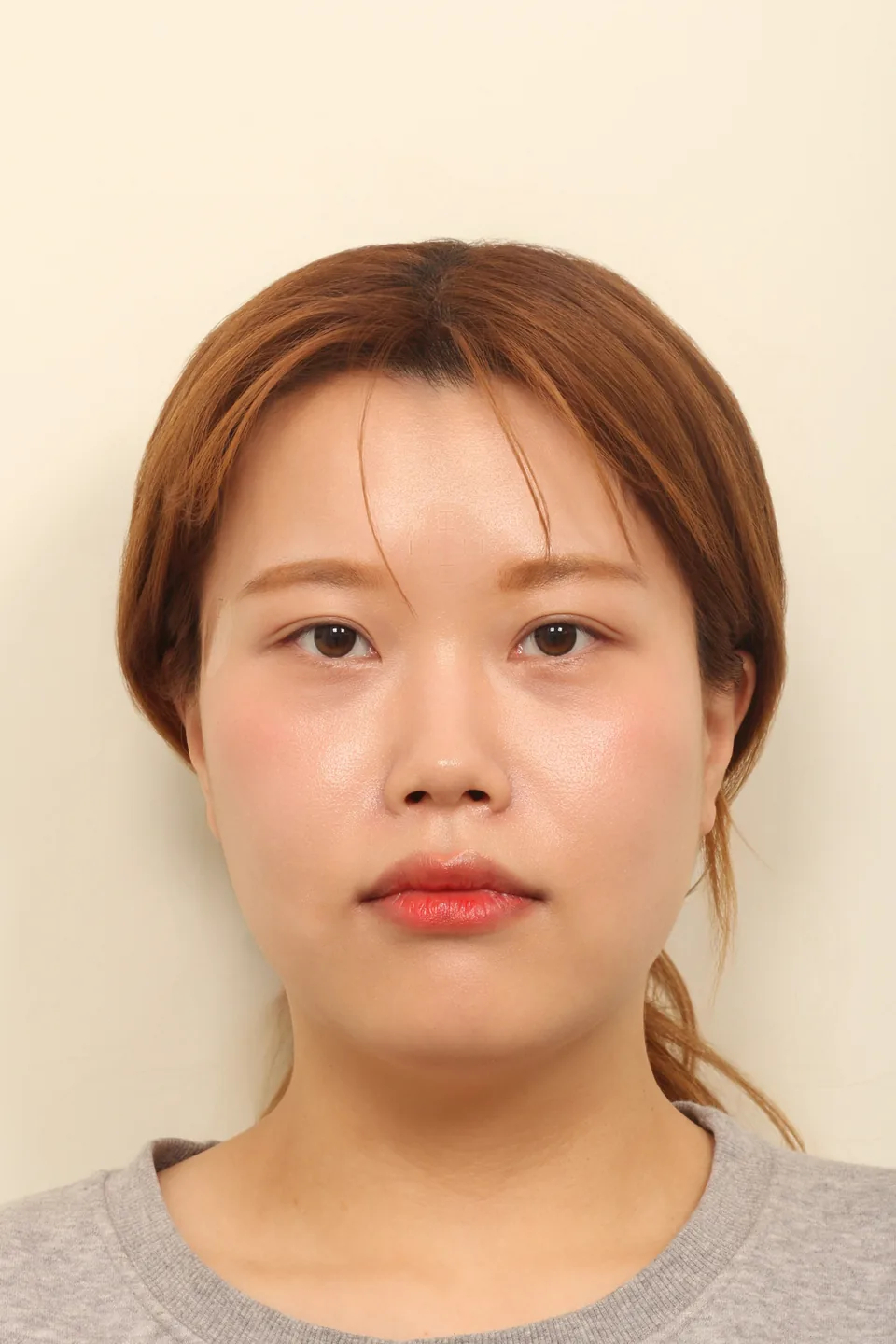
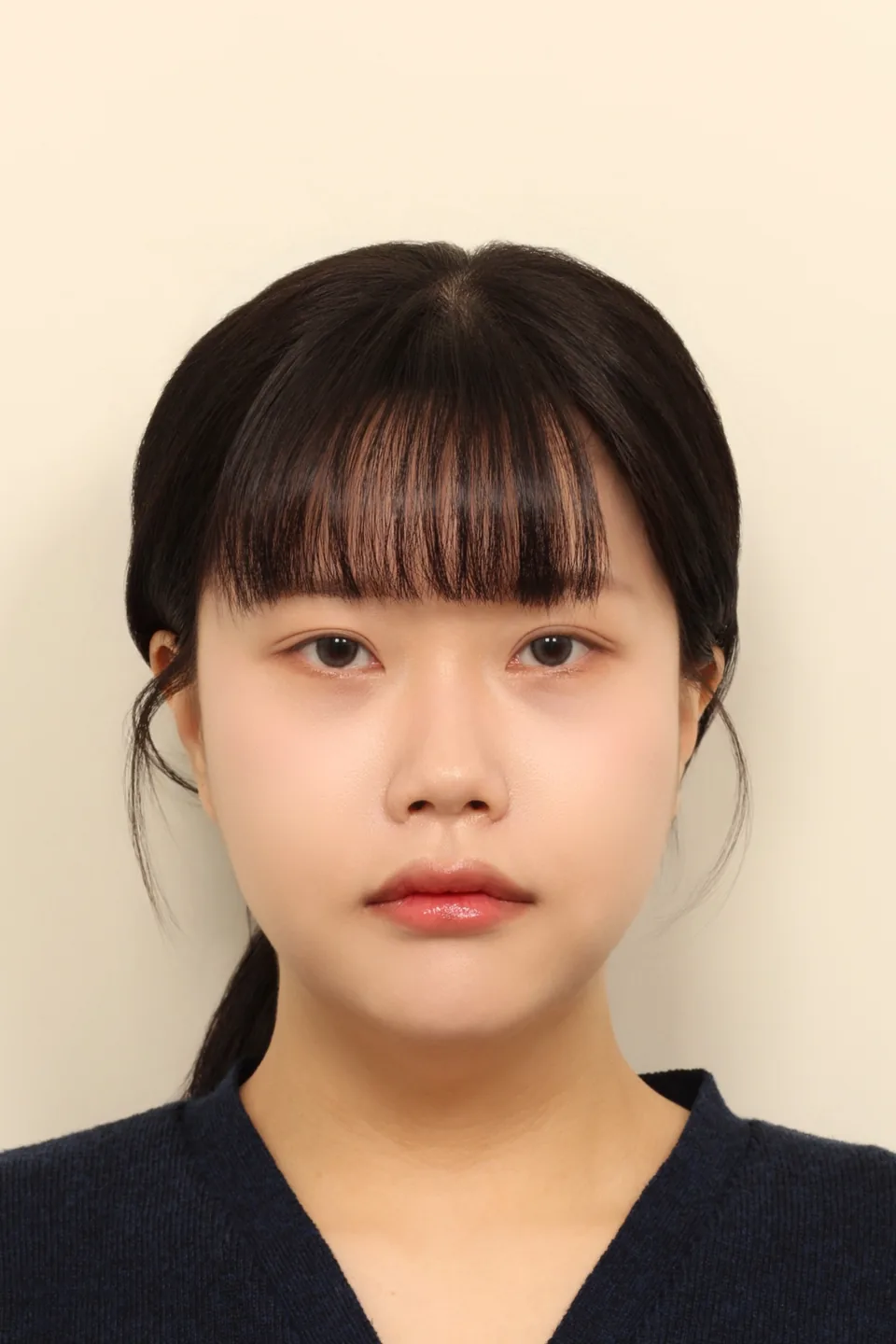
3 Contouring Procedures — Cheekbone · Square Jaw · Chin
Three-type contouring surgery that refined the cheekbones, square jaw, and chin at once. One year after surgery.
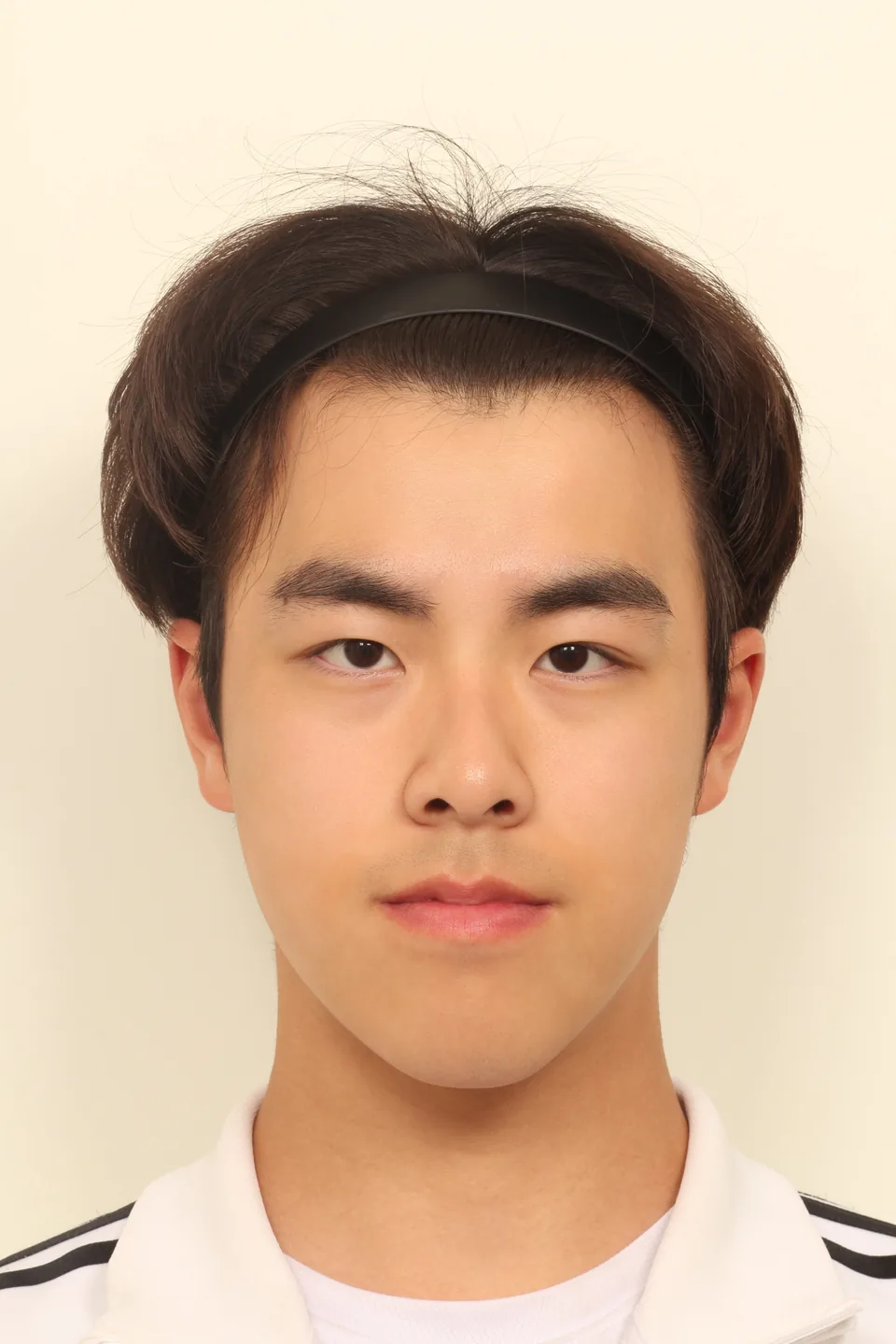
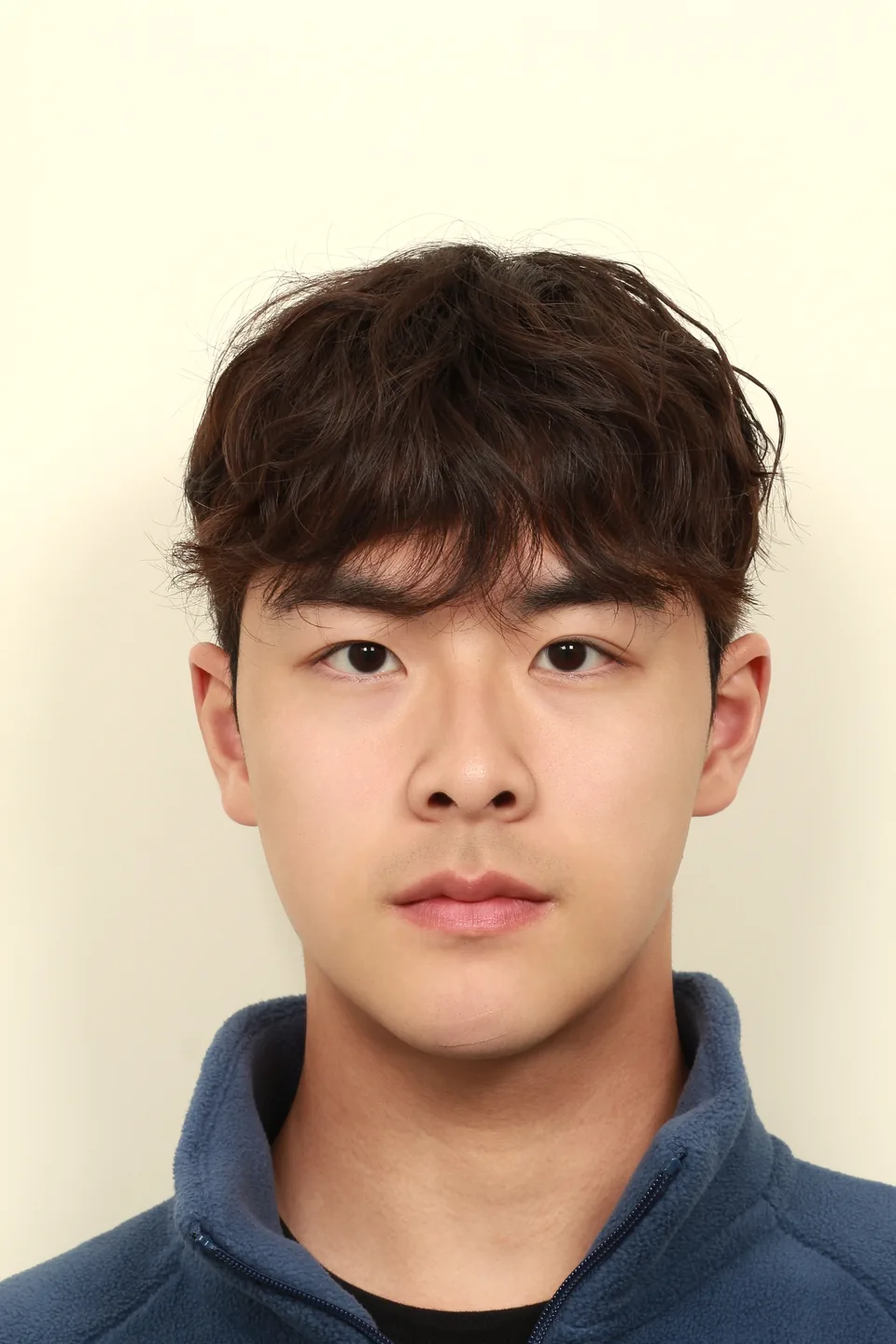
Long face · Skeletal Class III malocclusion (underbite) — Combined orthognathic surgery and contouring
A long face and underbite (skeletal Class III malocclusion) corrected with orthognathic (double jaw) surgery combined with contouring surgery. 6 months after surgery, including CT before and after surgery.
Costs and what to know before your visit
| Item | Fee |
|---|---|
| Chin surgery | 40010,000 KRW · VAT not included |
| Square jaw surgery | 50010,000 KRW · VAT not included |
| Cheekbone surgery | 50010,000 KRW · VAT not included |
| Mini V-line surgery (square jaw + chin) | 60010,000 KRW · VAT not included |
| 2-type contouring (square jaw + chin) | 80010,000 KRW · VAT not included |
| 3-type contouring (cheekbone + square jaw + chin) | 1,10010,000 KRW · VAT not included |
| Forehead implant (3D custom) | 35010,000 KRW · VAT not included |
| Aristocrat-area implant | 15010,000 KRW · VAT not included |
| Chin Implant (Ready-Made) | 20010,000 KRW · VAT not included |
| Chin Implant (3D Custom) | 30010,000 KRW · VAT not included |
Based on the non-covered fee schedule published by the director. The total cost varies depending on the extent of surgery, anesthesia, hospital stay, and tests. The exact cost will be provided after diagnosis.
Costs · Insurance
Facial contouring surgery is not covered by insurance (non-reimbursed), and VAT is charged separately. Base prices for each area are published in the non-reimbursed fee schedule, and anesthesia, hospitalization, and examination fees are added. The exact cost will be provided after diagnosis. View non-covered fee schedule
Side effects · Precautions
After contouring surgery, there may be swelling, bruising, reduced sensation, bleeding, infection, asymmetry, soft tissue sagging, a secondary angle (re-protrusion of the square jaw), jaw joint discomfort, and the possibility of revision surgery. Results vary from person to person, and expectations may differ from the actual change, so please review the range of expected change with a 3D simulation before surgery. All surgeries and procedures may involve side effects such as bleeding, swelling, bruising, sensory changes, infection, asymmetry, and the possibility of revision surgery, and results and recovery speed vary by individual. Please be sure to tell us about any systemic conditions, medications you are taking, and pregnancy status during your consultation.
This information complies with the Medical Service Act and medical advertising review standards, and treatment results and recovery may vary from person to person. Please make your decision only after consulting with a specialist.
Related treatments
Further reading
- Consultation preparation card (printable)
- The Days We Did Not Recommend Surgery
- Facilities · Safety systems
- Cases
- Patient Stories
- When do you recommend orthognathic (double jaw) and contouring surgery, and when do you not?
- What are hospitalization and recovery like after orthognathic (double jaw) surgery? Can a guardian stay by my side?
- What's different when the same doctor who consulted with you also oversees your surgery and follow-up care?
- Seomyeon Facial Contouring Surgery Guide
This content was reviewed by board-certified oral & maxillofacial surgeon Dr. Sang-Hoon Lee, Directorfor medical accuracy · Last reviewed