
Facilities · Safety
Not a neighborhood dental clinic, A hospital built for surgical patients.
Consultation and diagnosis on the 2nd floor, surgery and recovery on the 4th. We have a general anesthesia operating room, a recovery room, four private inpatient rooms separated by floor, an anesthesiologist-supported system, and a recovery program. We list only the equipment Dr. Lee has chosen to include.

Outpatient · Consultation · Diagnosis
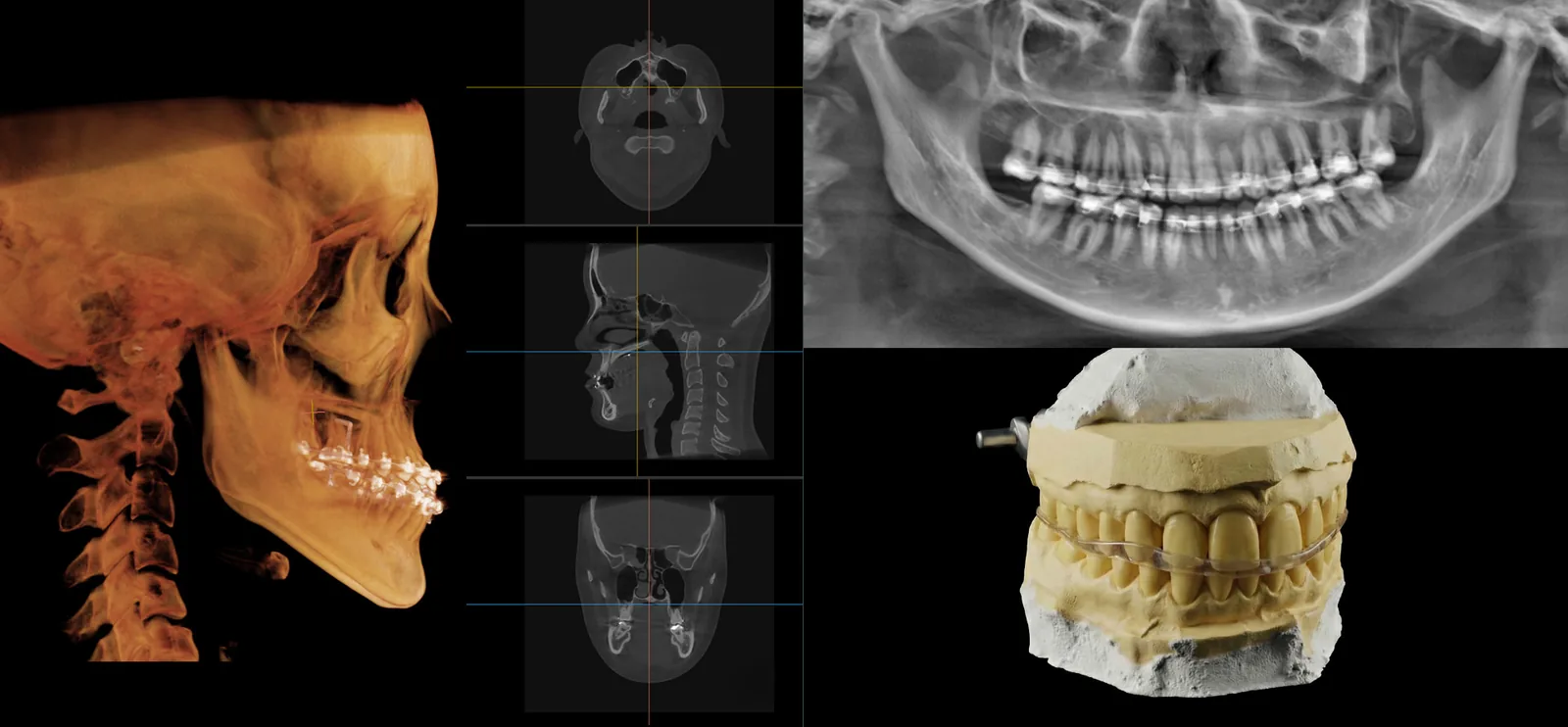
When you first arrive, come to the 2nd floor. In the consultation room, we show a three-dimensional model combining 3D CT, intraoral scan, and photos on a large screen, and explain how the surgery will proceed and what the result may look like. The director says many patients find this process fascinating and enjoy it.
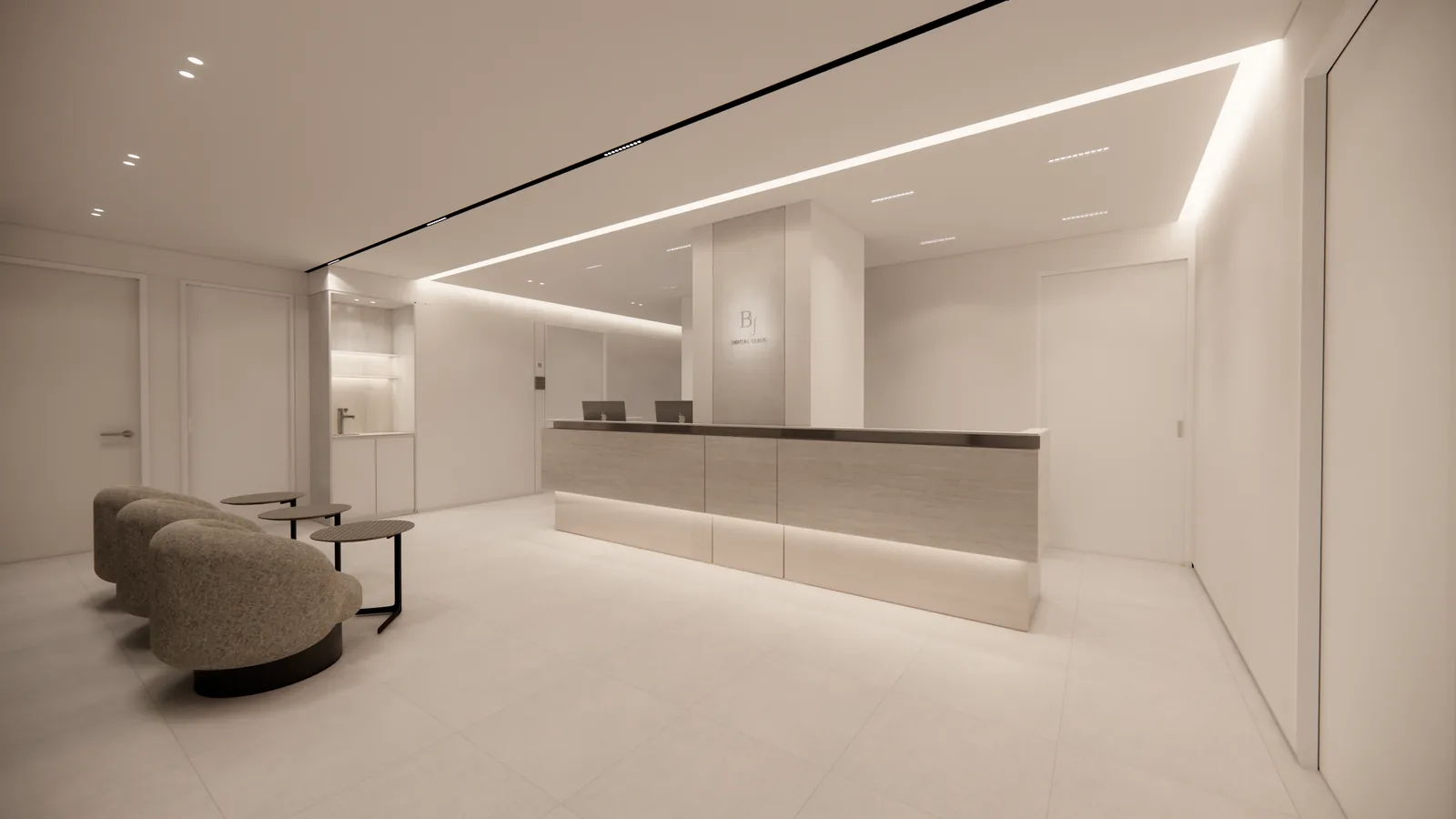
- Reception · Waiting Lounge
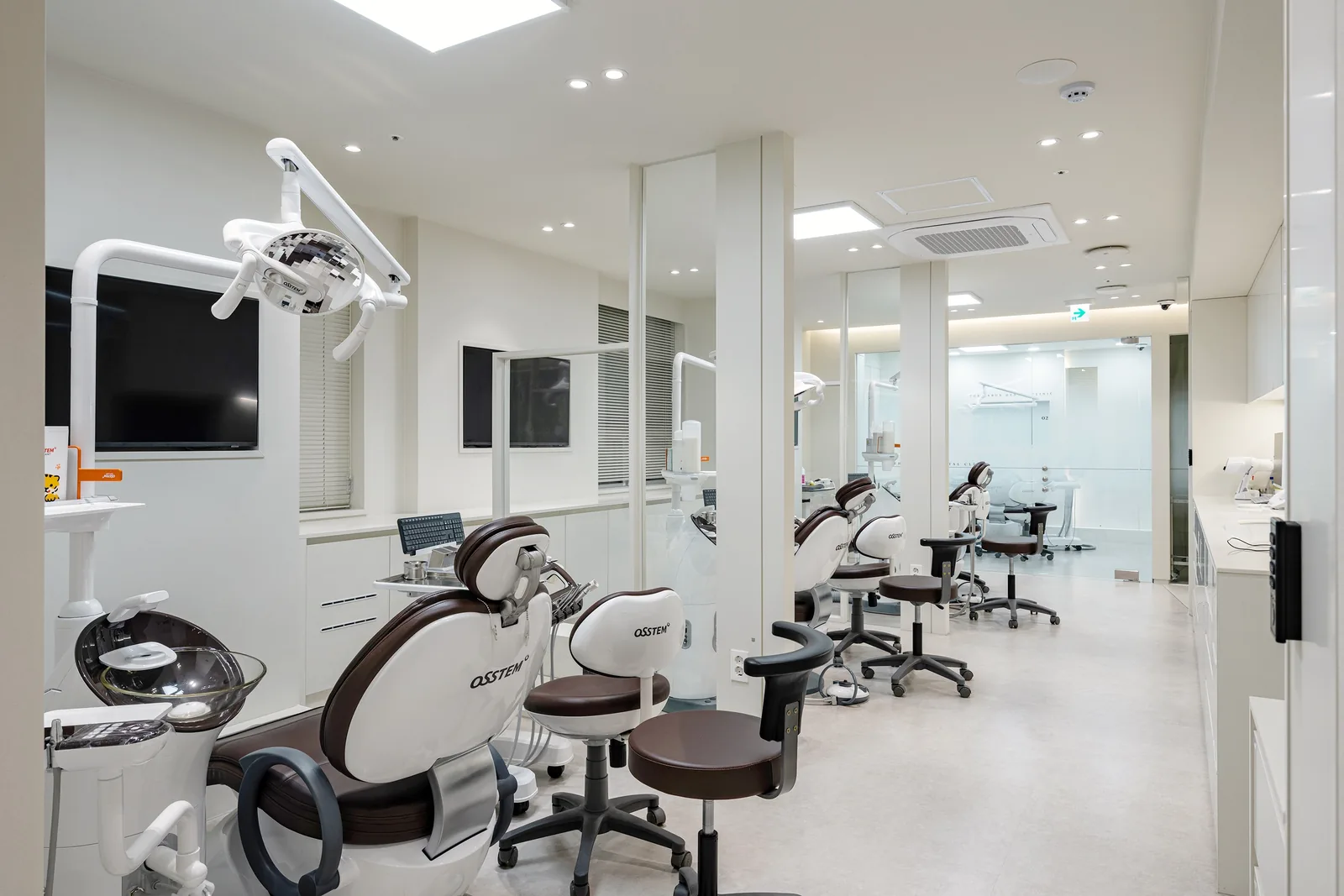
- 2 consultation rooms (3D screen explanations)
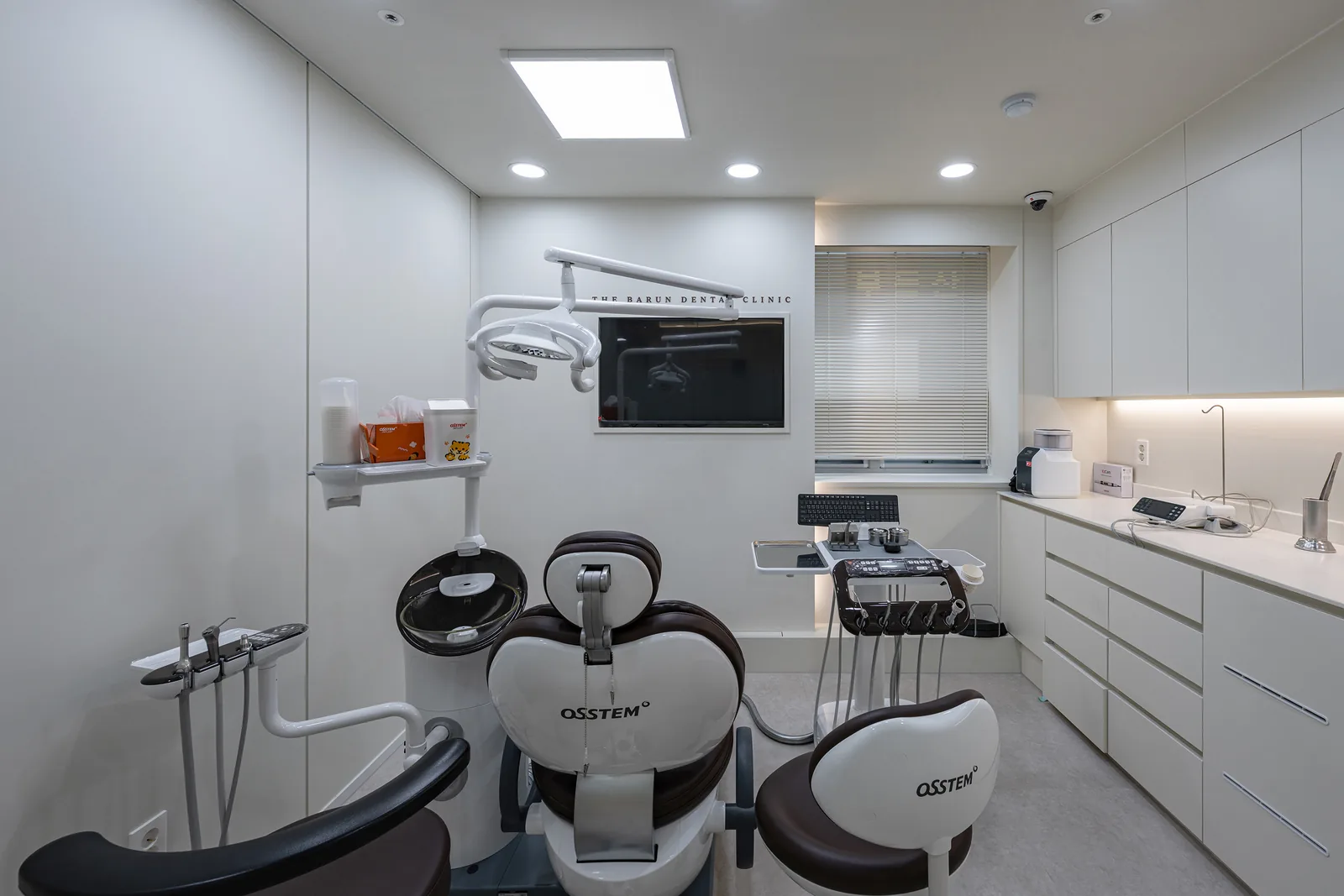
- Outpatient Treatment Room
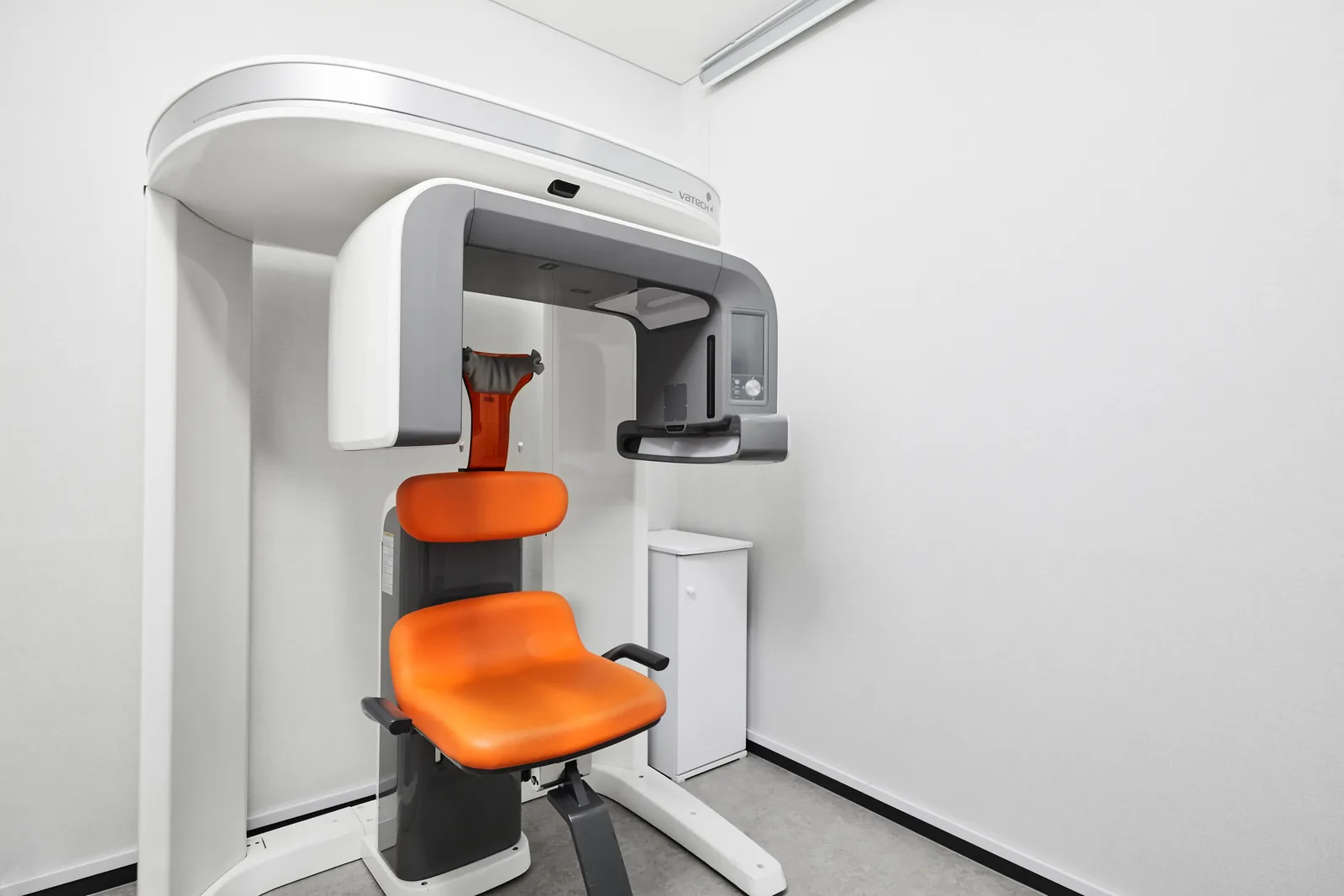
- 3D CT (Large FOV CBCT) Imaging Room
- Intraoral scanner
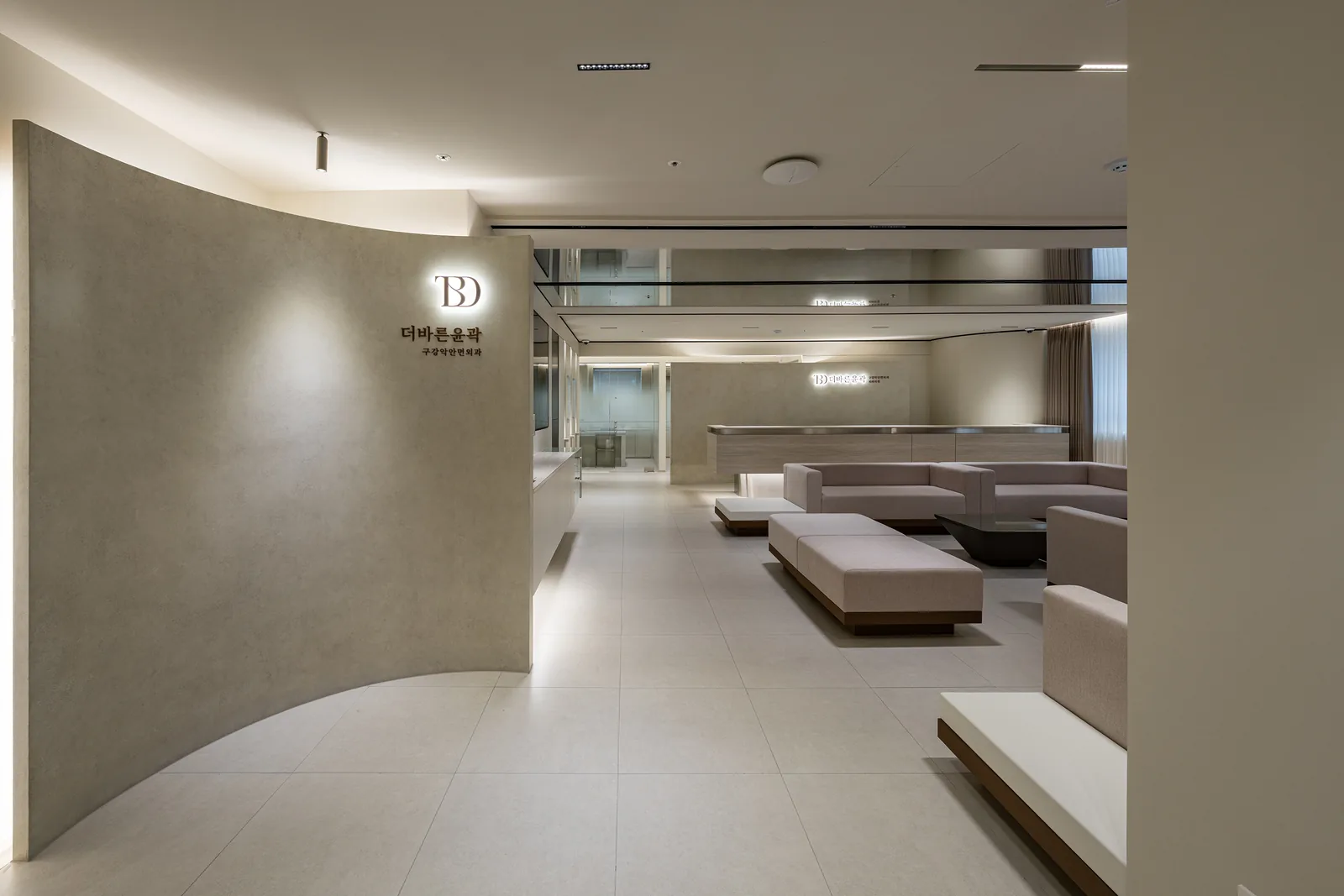
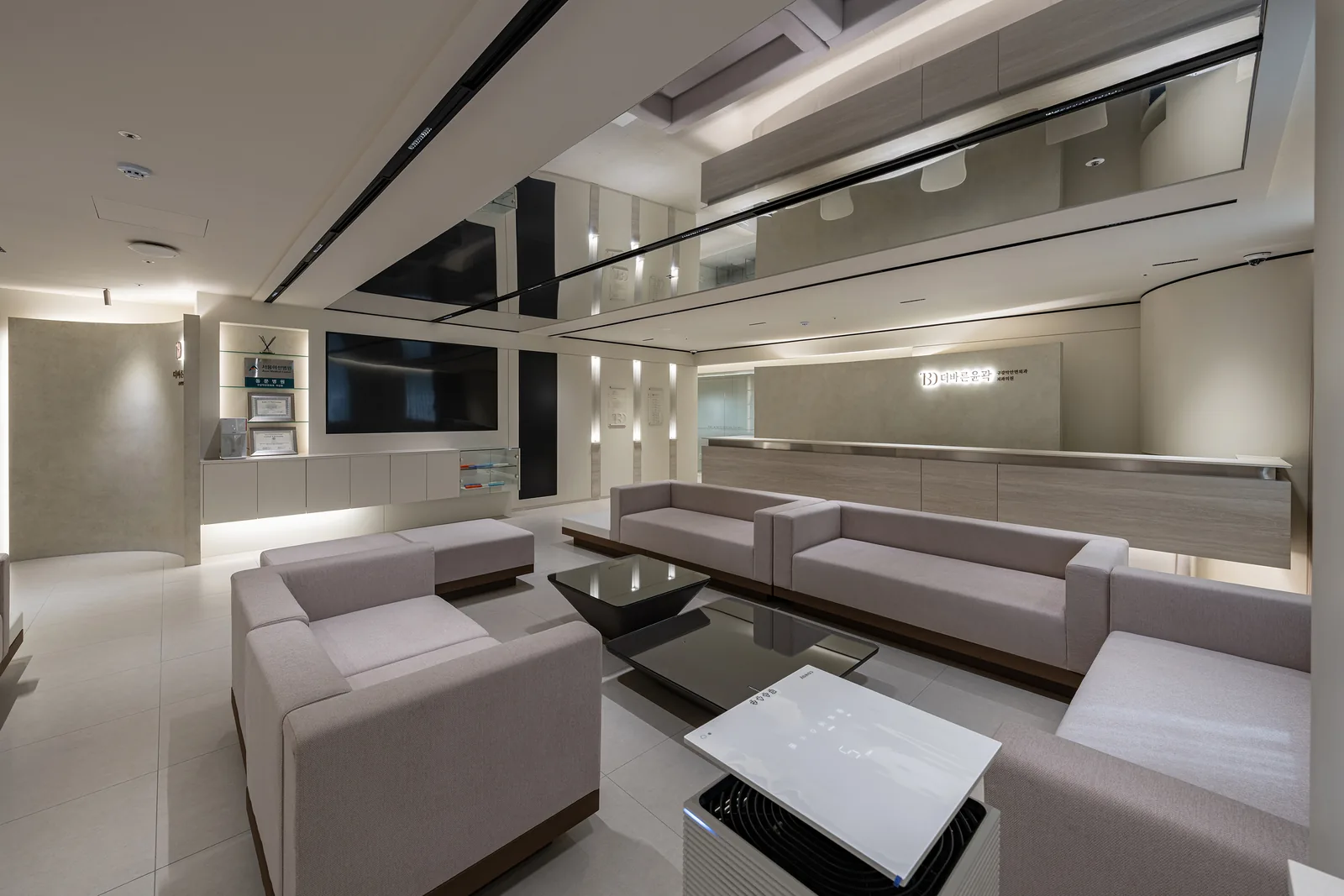
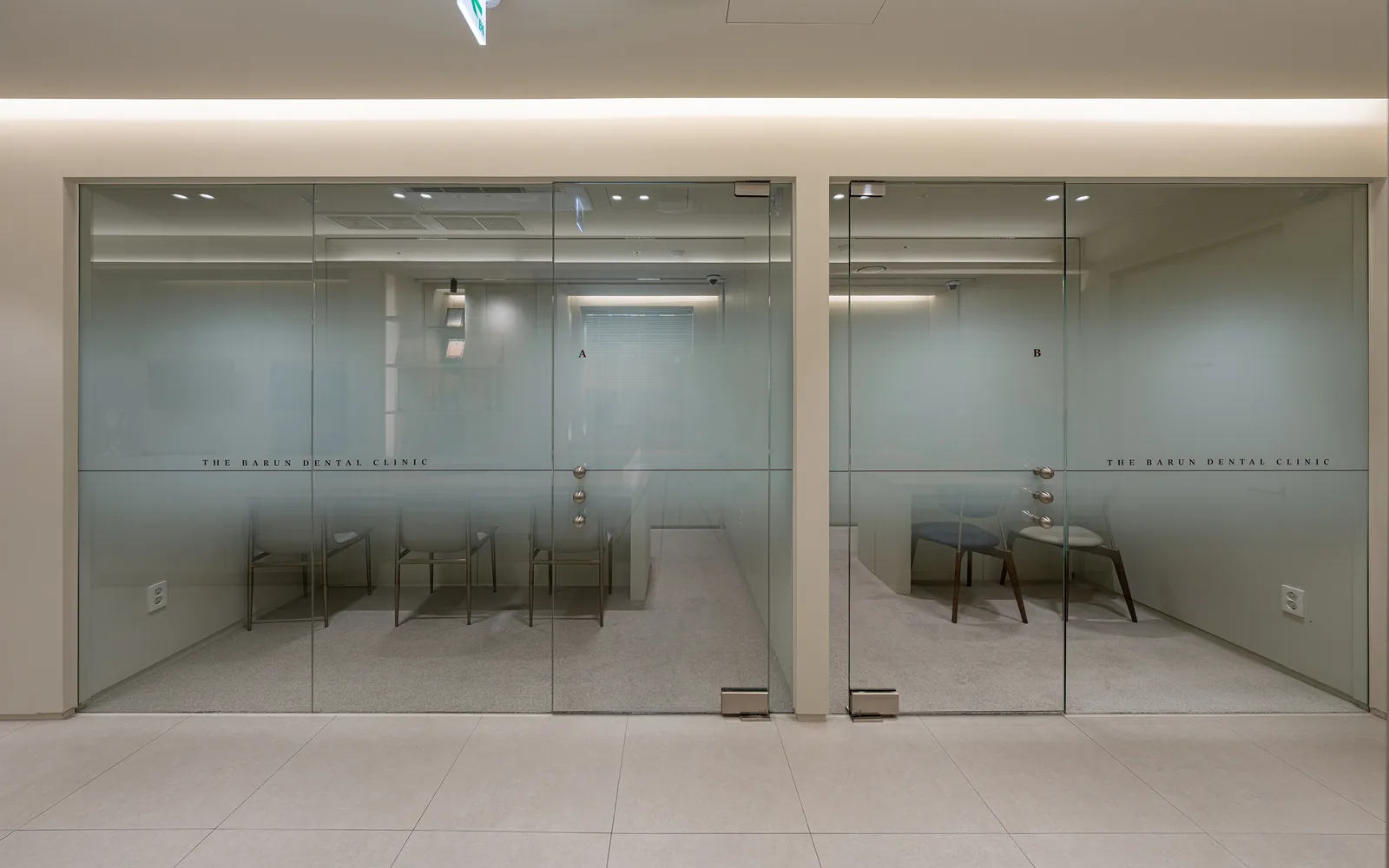
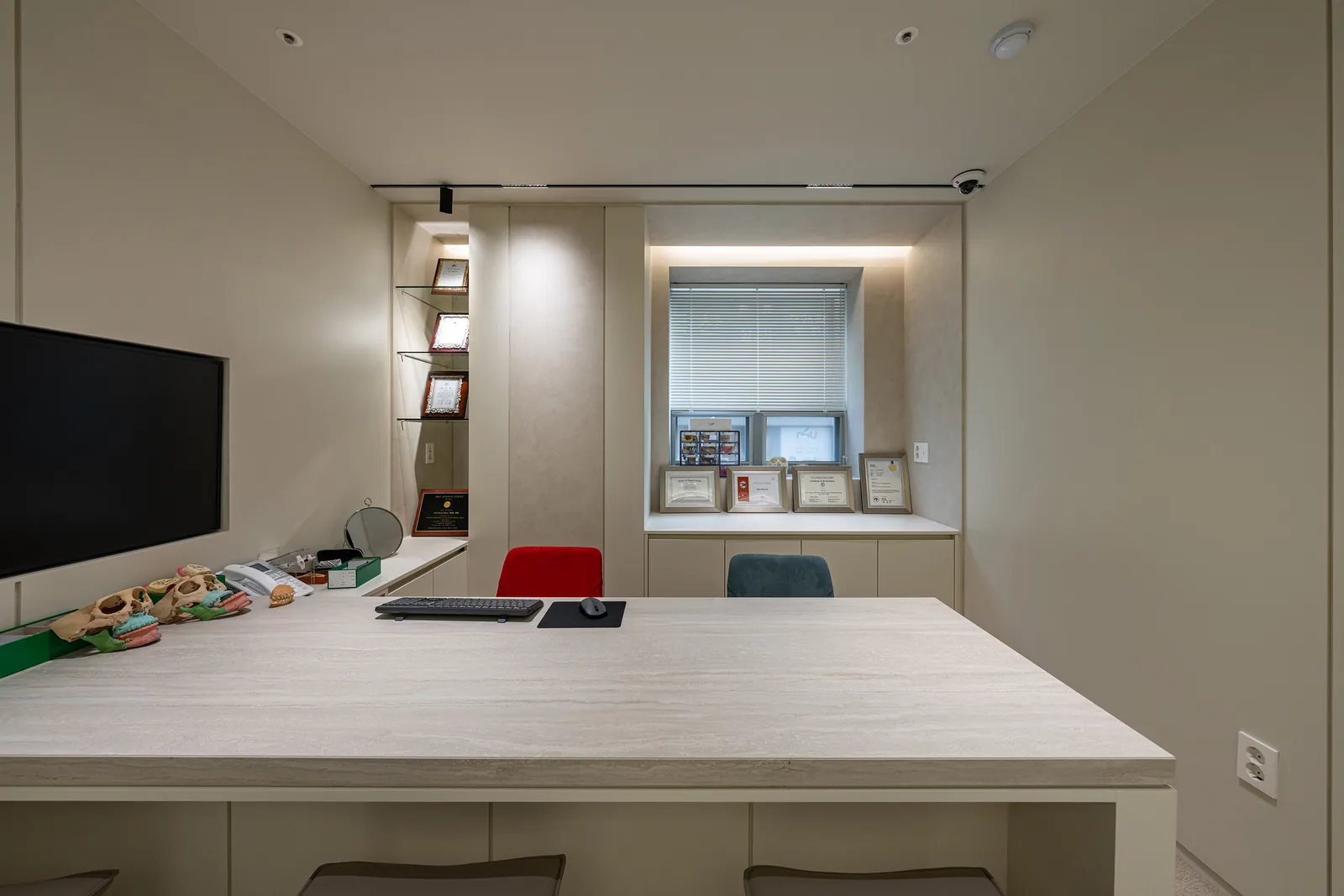
Surgery · Recovery · Hospitalization
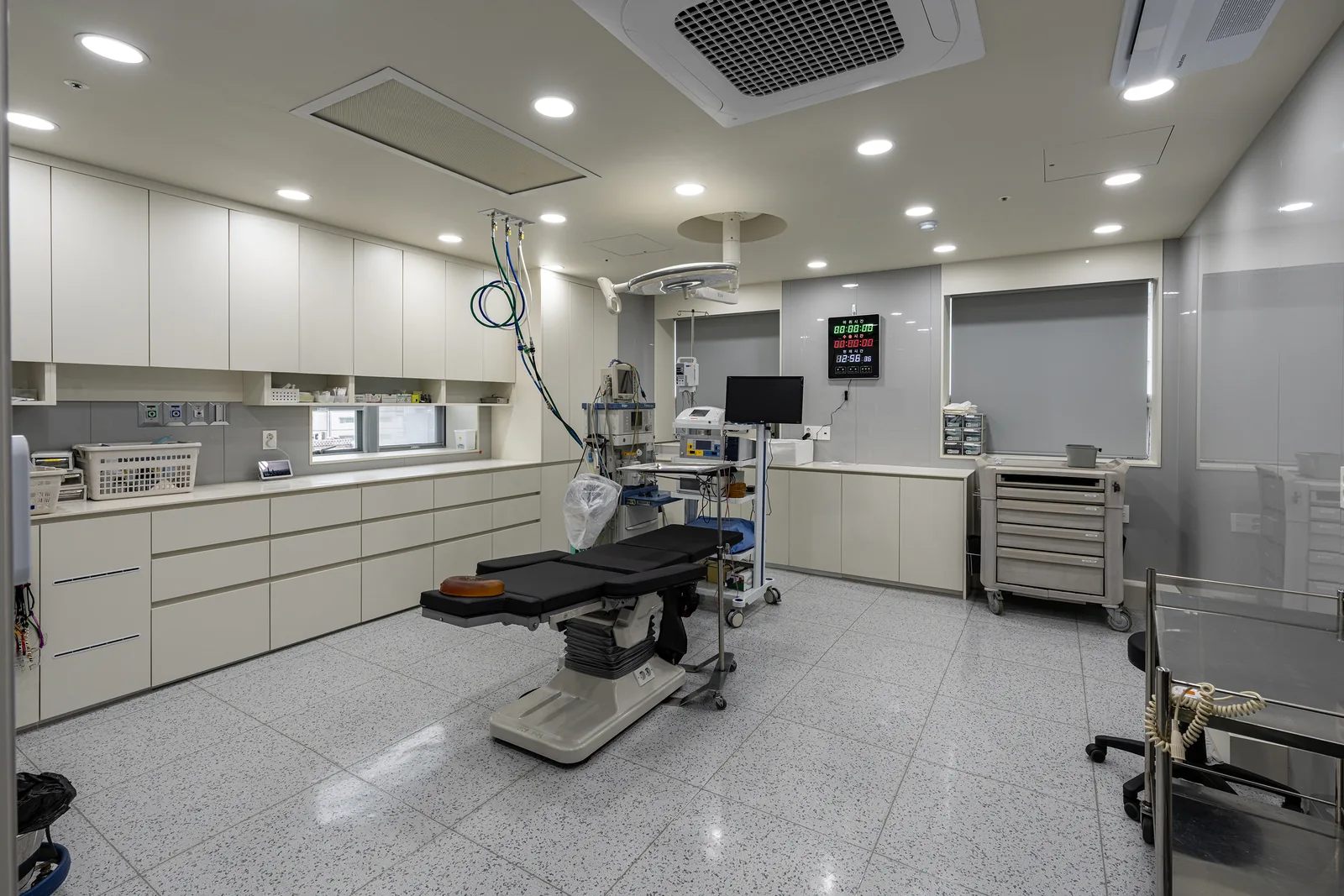
Surgery and recovery take place on the 4th floor. The operating room, recovery room, and inpatient rooms are separated from the outpatient area by floor, so you can rest right after surgery without worrying about other people's eyes.
- General anesthesia operating room
- Recovery Room
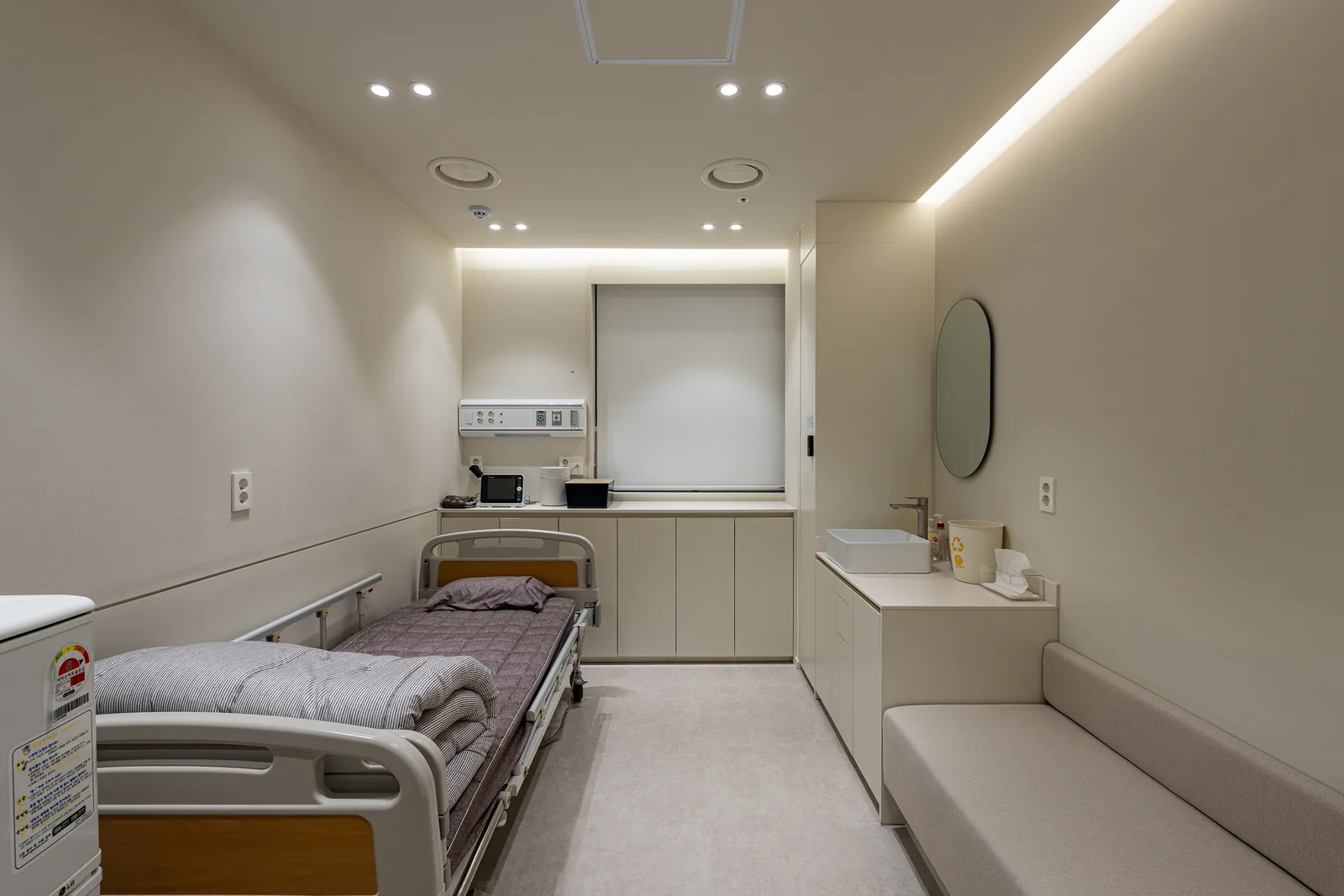
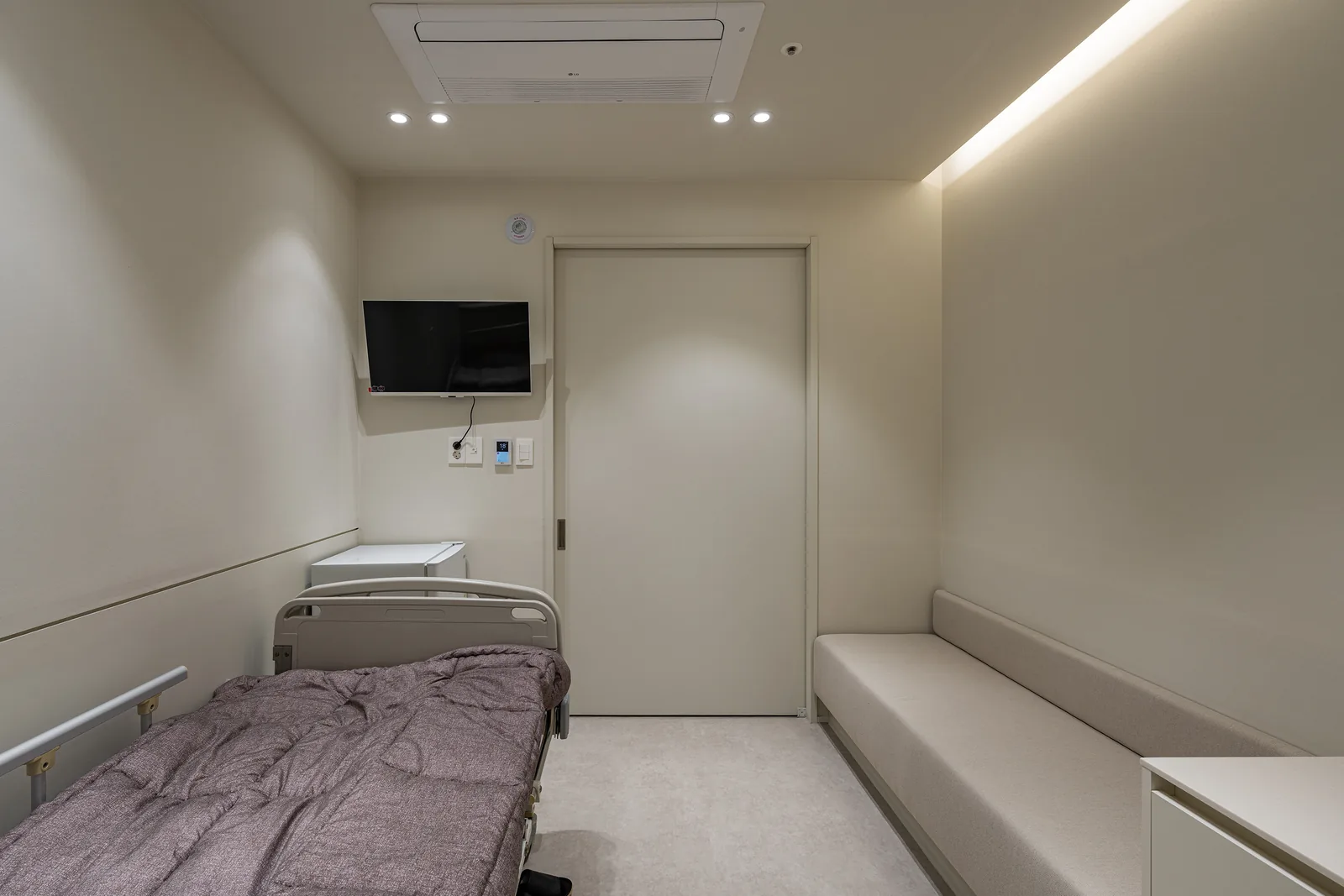
- 4 private inpatient rooms
- Post-surgery care room (Smartlux · LDM · Shrink)
- Surgical Patient Treatment Room
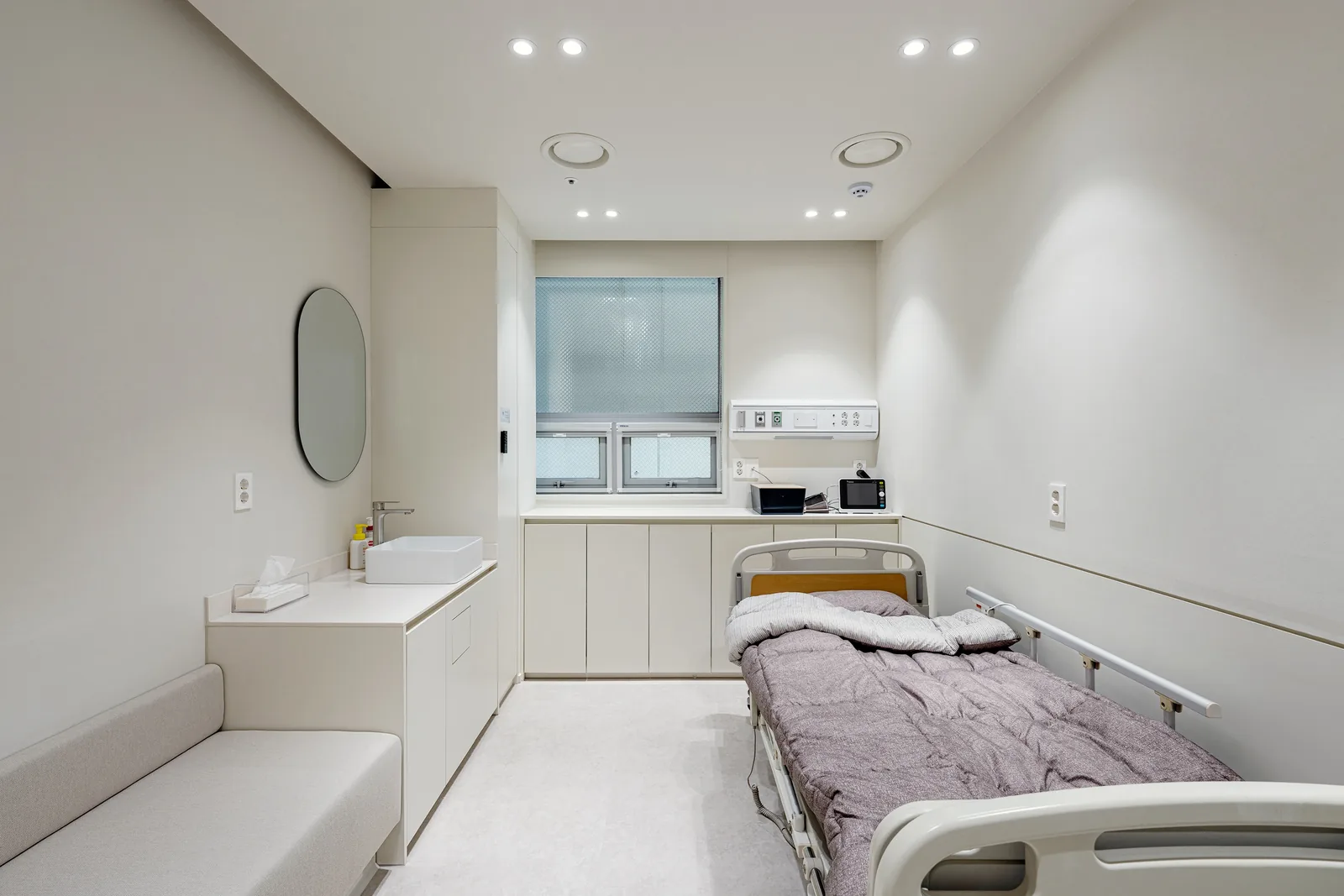
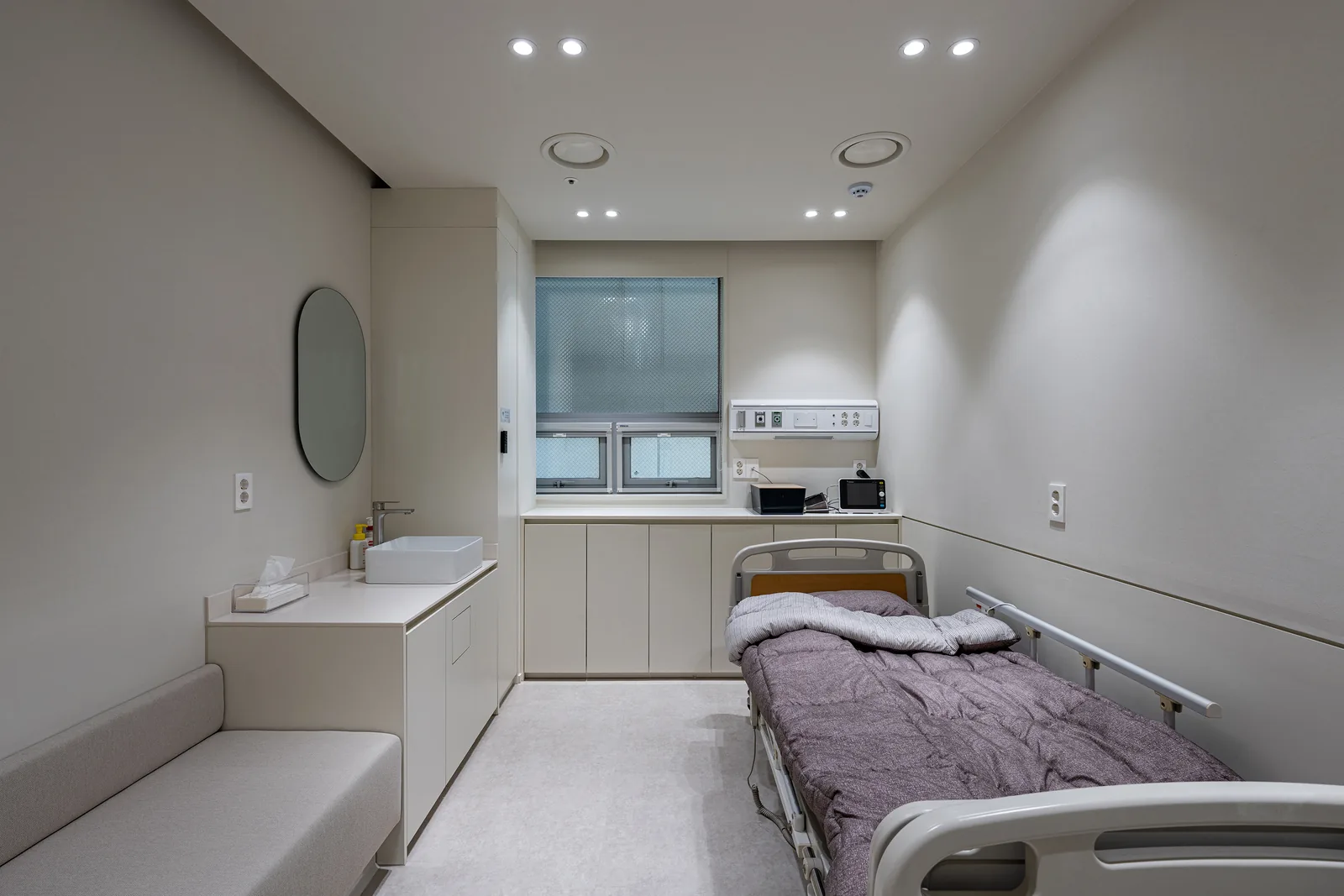
4 private inpatient rooms
Right after surgery, Free from other people's eyes.
"A private inpatient room is meaningful not simply because it provides personal space, but because it is an environment where you can recover comfortably and protect your privacy right after surgery, without worrying about others' eyes."
"Rather than restricting guardian access excessively, our clinic allows guardians to stay with patients, as long as it does not interfere with the patient's condition or the clinic's operations."
— Dr. Sang-Hoon Lee
- Separate private space by floor · Bed · Guardian sofa · Sink · TV
- We do not excessively restrict visits by guardians
- Continuous monitoring of patient status with a central patient monitor
- Nursing staff on site during hospitalization
Safety Management for General-Anesthesia Surgery
The biggest concerns of those consulting about orthognathic and contouring surgery are general anesthesia and safety during surgery.
Along with facilities for general anesthesia surgery, our clinic has the following systems in place. Before surgery, we conduct basic tests such as blood tests and an ECG, and if any abnormal findings appear, we decide whether to proceed with surgery after consulting with an internal medicine specialist.
Diagnosis · Surgical Planning Equipment
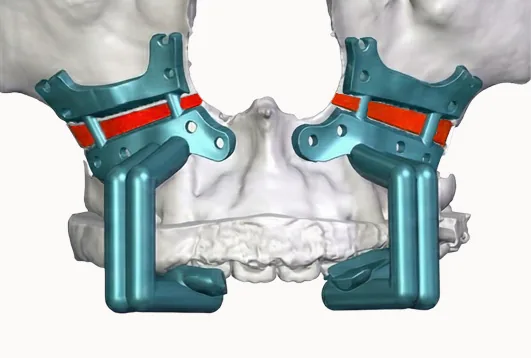
Even without the patient present, we look at the patient's face again on the computer.
"3D surgical simulation requires a program that can take in and process CT data, intraoral scanner data, photographs, and dental models all together. Most hospitals entrust this process to an outside organization, but at my clinic I handle that process myself."
— Dr. Sang-Hoon Lee
Post-Surgery Recovery Program
Surgery doesn't end in the operating room.
Orthognathic (double jaw) surgery is not a treatment that ends in the operating room. Depending on your recovery and needs, we apply the programs below. We do not simply finish the surgery; we continue to manage your follow-up and recovery process afterward.
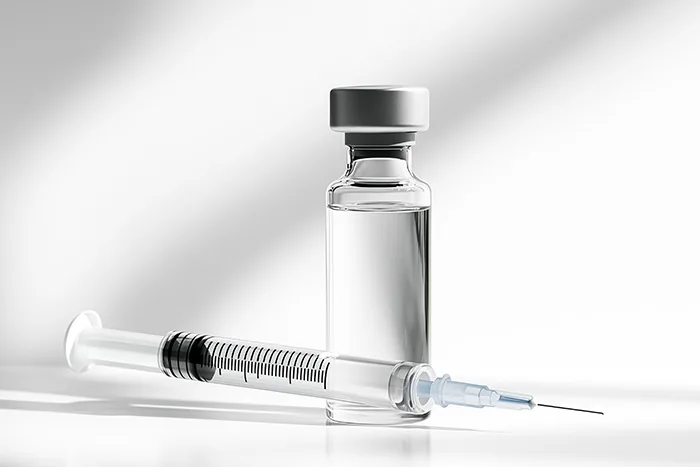
Swelling Management Injection
Easing swelling right after surgery
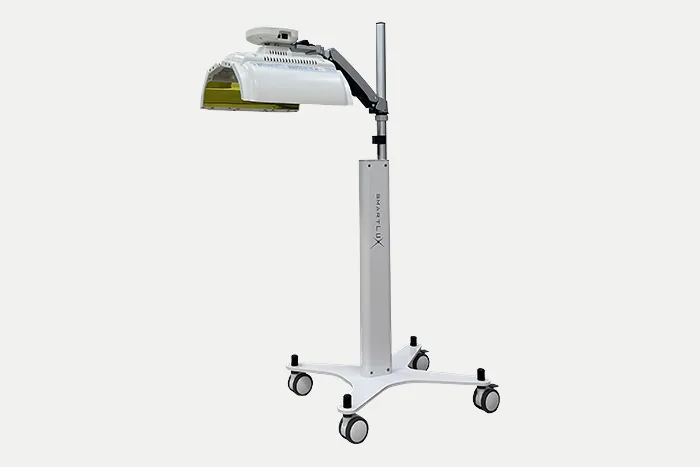
Smartlux (Regenerative Laser)
Tissue recovery support
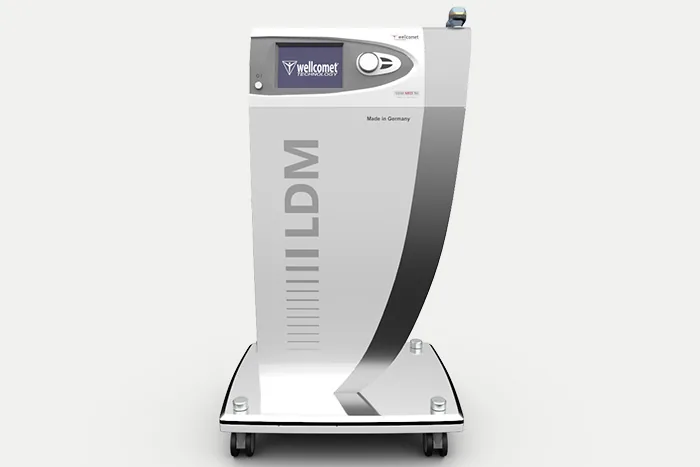
LDM (Regenerative Laser)
Swelling · Bruising recovery support
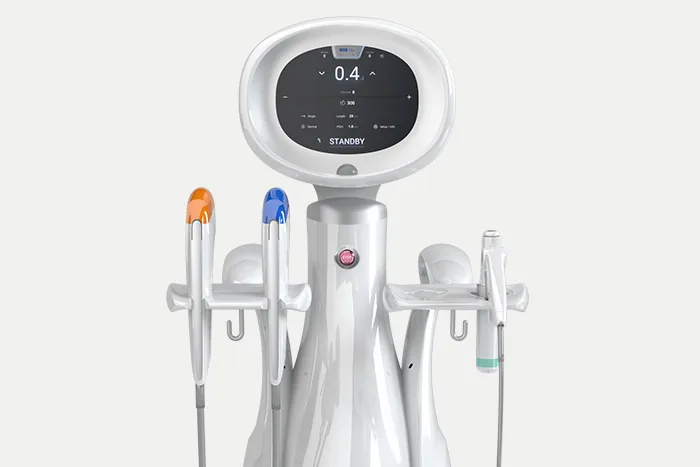
Shrink (HIFU)
Soft tissue elasticity care after the bone has stabilized
Recovery programs are applied according to each patient's recovery status and needs, and are not performed identically for every patient.
CONSULTATION
We will meet you first in the consultation room on the 2nd floor.
Seomyeon Station Exit 8. If it's your first visit, please come to the reception on the 2nd floor.
Request a Consultation
After you submit your request, the clinic will call you to confirm. Your appointment is not confirmed until we have spoken by phone. Please do not enter sensitive information such as diagnoses or medications you are taking.