

Answers at a Glance
What is minor oral surgery, and who is it right for?
Minor oral surgery refers to procedures that resolve small problems of the mucosa and bone inside the mouth on an outpatient basis under local anesthesia. These include removal of benign oral growths such as mucoceles and fibromas, preprosthetic surgery that reshapes bone for dentures or implants (alveolar bone reshaping, removal of bony protrusions), apicoectomy, frenectomy of the tongue and lip, and impacted tooth extraction. For lesions that need a biopsy, we refer you to a higher-level hospital based on the results after testing.
- Doctor in Charge
- Dr. Sang-Hoon Lee, Board-Certified Oral & Maxillofacial Surgeon
- Diagnosis
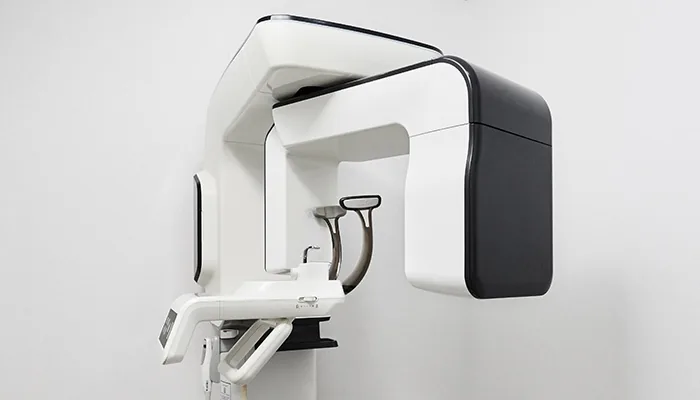
- Large FOV CBCT (3D CT) · Panoramic X-ray
- Anesthesia
- Local anesthesia · Conscious sedation · General anesthesia facilities
Board-Certified Oral & Maxillofacial Surgeon Dr. Sang-Hoon Lee Medically reviewed ·
Request a Consultation Consultation Prep Card10 Frequently Asked Questions
- Duration
- 20–60 minutes
- Anesthesia
- Local anesthesia · sedation (sleep anesthesia) if needed
- Suture Removal
- About 1 week
- Return to Daily Life
- Same day–2 days
- Biopsy
- Performed if needed
- Insurance
- Mostly insurance-covered
This content was reviewed by board-certified oral & maxillofacial surgeon Dr. Sang-Hoon Lee, Directorfor medical accuracy · Last reviewed
Recommended for You If
- If you have a cyst or lump on the lip, cheek, or tongue
- If your dentures keep rubbing sore or a bony protrusion is causing pain
- Those whose infection at the root tip has not healed even after root canal treatment
- If a short tongue ligament makes speech or feeding difficult
- If a mouth ulcer or white patch has not healed for more than 2 weeks
I have a lump in my mouth. Is it okay?
Most are benign, such as a mucocele on the lower lip or a fibroma on the cheek. However, an ulcer that does not heal within 2 weeks, a white patch, or a hard lump needs to be examined. If necessary, we remove it, perform a biopsy, and explain the results to you.
Why is surgery before prosthetic treatment done?
If the gum bone is uneven or has bony protrusions (tori), dentures and prosthetics can be painful and fit poorly. This surgery reshapes the bone so the prosthesis sits securely. It is sometimes done together with bone grafting before implants.
What is an apicoectomy?
This is a surgery performed when inflammation remains at the root tip even after root canal treatment: the gum is opened and the root tip and inflamed tissue are removed to save the tooth. It is a last option to preserve the tooth instead of extraction.
When Dr. Lee Recommends Treatment
Whether we recommend minor oral surgery is decided by diagnosis, not by photos or trends. Below are the criteria Dr. Lee actually uses in consultations, in his own words.
Rather than operating on more patients, I wanted to listen fully to each person's story, think it through myself, and stay with them responsibly from surgery through recovery.
I try to be straightforward and plain: I explain why something can be done and why something cannot.
Tests and Preparation Before Your Consultation
The scope of treatment is decided by examination results. At your first visit, we review the items below, then explain which treatments are needed and which are not.
| Test | What We Look At |
|---|---|
| Panoramic X-ray · 3D CT | We check the tooth roots, jawbone, nerve canal, and surrounding structures. |
| Oral Examination | We directly examine your gum condition, tooth wear, and bite. |
| Medical History Review | We ask about any medications you take (blood thinners, osteoporosis medication, etc.) and any systemic conditions. |
What to Bring
- X-rays and CT scans from your previous dentist (if available)
- Names of medications you are taking — especially blood thinners, osteoporosis medication, and diabetes medication
- Systemic conditions · pregnancy status
- A note of the areas that bother you and when it started
How Your Care Proceeds
- 01

Diagnosis
Visual exam · Palpation · X-ray · CT
- 02
Surgery
Local anesthesia outpatient surgery, 20–60 minutes
- 03
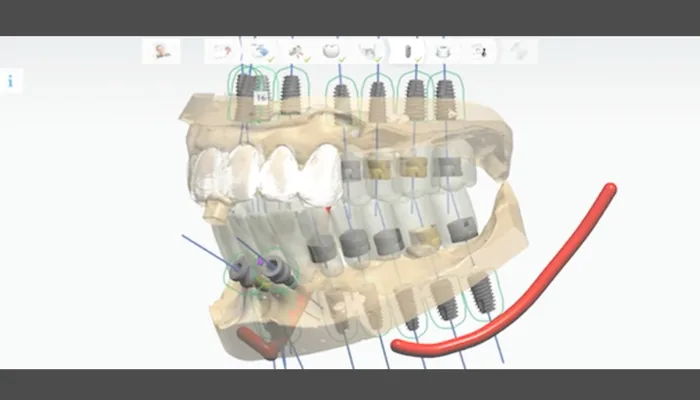
Biopsy
Pathology testing referral if needed
- 04
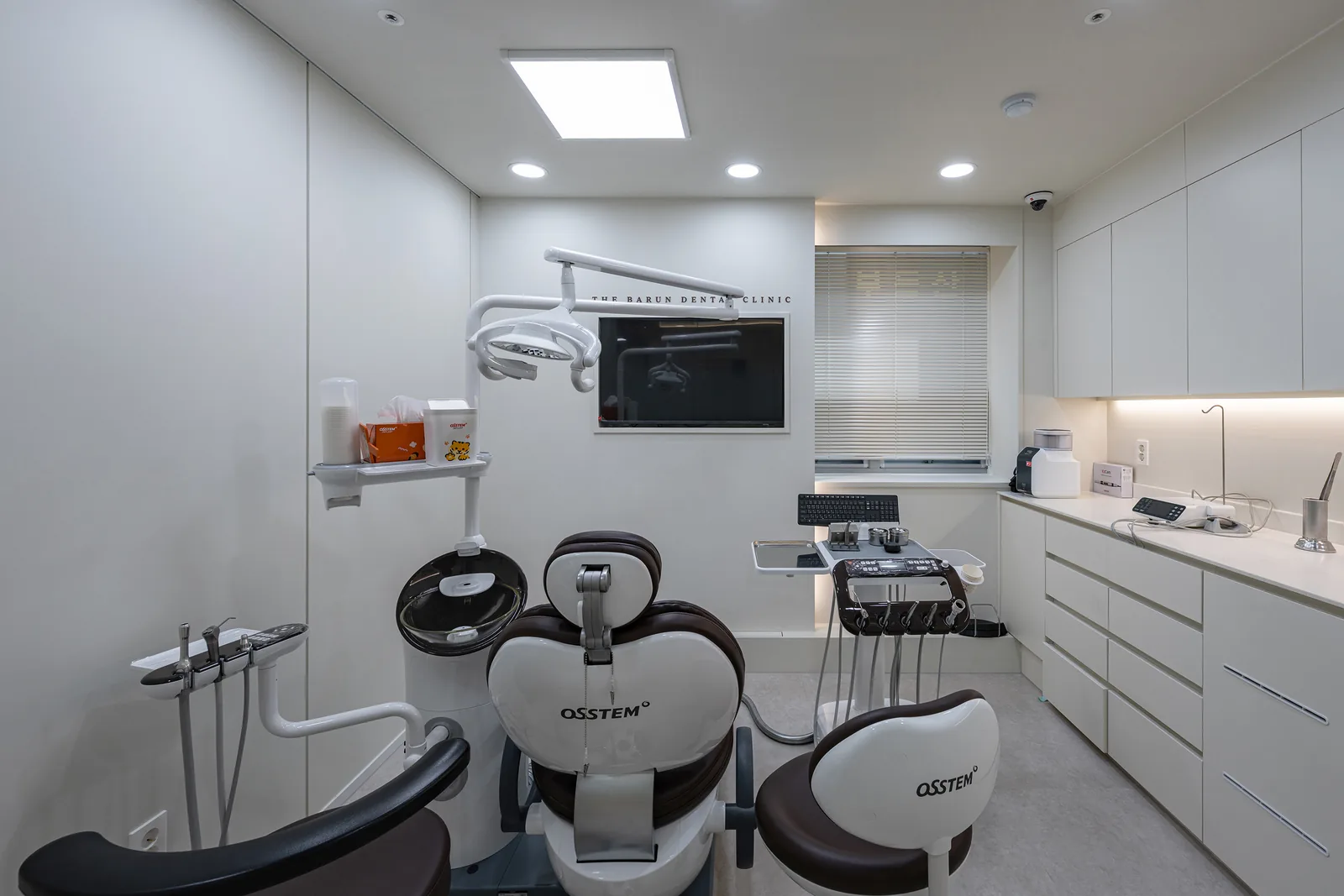
Progress
1-week suture removal and explanation of results
Minor Oral Surgery Schedule and Recovery at a Glance
Basic information on treatment time, anesthesia, and recovery is summarized in the table. The actual schedule may vary depending on your diagnosis and individual condition, and will be explained again at your first visit.
| Item | Notice |
|---|---|
| Duration | 20–60 minutes |
| Anesthesia | Local anesthesia · sedation (sleep anesthesia) if needed |
| Suture Removal | About 1 week |
| Return to Daily Life | Same day–2 days |
| Biopsy | Performed if needed |
| Insurance | Mostly insurance-covered |
Pain, swelling, bleeding, infection, and temporary altered sensation may occur after surgery. Depending on biopsy results, additional treatment or referral to a higher-level hospital may be needed. All surgeries and procedures may involve side effects such as bleeding, swelling, bruising, altered sensation, infection, asymmetry, and the possibility of revision surgery, and results and recovery speed vary from person to person. Please be sure to tell us about any systemic conditions, medications you take, and pregnancy during your consultation.
The doctor who consults with you oversees your minor oral surgery from start to finish
At The Barunface, consultation, diagnosis, treatment, and follow-up are all handled by one person: Dr. Sang-Hoon Lee, a board-certified oral & maxillofacial surgeon. We do not hand off stages to staff or other doctors.
Because the doctor who performs your treatment remembers the concerns you shared and the diagnosis from your first consultation, you can return directly to the doctor who first diagnosed you if any discomfort arises after treatment.
We tell you in advance, as fully as we can, what the process will involve, and we try to be with you as much as possible at the points where you are likely to find it most difficult.
Treatment Standards and Basis
- Doctor in Charge
- Dr. Sang-Hoon Lee, Board-Certified Oral & Maxillofacial Surgeon
- Diagnosis
- Large FOV CBCT (3D CT) · Panoramic X-ray
- Anesthesia
- Local anesthesia · Conscious sedation · General anesthesia facilities
Minor oral surgery FAQ 10 questions
01How much does minor oral surgery cost in Busan?
Most treatments are covered by national health insurance, and out-of-pocket costs vary depending on the type of surgery. CT, sleep anesthesia, and some materials may not be covered by insurance, and we will explain this during your visit. The exact total will be provided in writing after diagnosis.
02How long is the recovery after minor oral surgery?
Return to daily life is usually within the same day to 2 days. Recovery speed varies from person to person.
03What are the side effects of minor oral surgery?
Pain, swelling, bleeding, infection, and temporary altered sensation may occur after surgery. Depending on biopsy results, additional treatment or referral to a higher-level hospital may be needed. All surgeries and procedures may involve side effects such as bleeding, swelling, bruising, altered sensation, infection, asymmetry, and the possibility of revision surgery, and results and recovery speed vary from person to person. Please be sure to tell us about any systemic conditions, medications you take, and pregnancy during your consultation.
04What are the anesthesia and duration like for minor oral surgery?
The procedure takes 20–60 minutes, with local anesthesia · sedation if needed. At The Barunface, Dr. Sang-Hoon Lee, a board-certified oral & maxillofacial surgeon, personally sees you.
05Is sleep anesthesia available for minor surgery too?
Yes. If you have significant anxiety or the area to be treated is extensive, we proceed with conscious sedation.
06When will the biopsy results be available?
It usually takes 1–2 weeks.
07Could a lump in my mouth be cancer?
Most are benign, but malignancy is rare, so we test any lesion that persists for more than 2 weeks.
08What about the cost?
Most procedures are covered by national insurance, with out-of-pocket costs of around tens of thousands of won. We let you know in advance about any non-covered items.
09Can tongue-tie (frenulum) surgery be done for children?
Yes, it is possible. The method is chosen based on age and ability to cooperate.
10What about eating after surgery?
On the day of surgery, eat soft, non-irritating foods. For about a week, chew away from the surgical site.
Costs and what to know before your visit
Costs · Insurance
Most procedures are covered by national health insurance, and the out-of-pocket amount varies by type of surgery. CT, sleep anesthesia, and some materials may not be covered, and we will inform you during your visit. View non-covered fee schedule
Side effects · Precautions
Pain, swelling, bleeding, infection, and temporary altered sensation may occur after surgery. Depending on biopsy results, additional treatment or referral to a higher-level hospital may be needed. All surgeries and procedures may involve side effects such as bleeding, swelling, bruising, altered sensation, infection, asymmetry, and the possibility of revision surgery, and results and recovery speed vary from person to person. Please be sure to tell us about any systemic conditions, medications you take, and pregnancy during your consultation.
This information complies with the Medical Service Act and medical advertising review standards, and treatment results and recovery may vary from person to person. Please make your decision only after consulting with a specialist.
Related treatments
This content was reviewed by board-certified oral & maxillofacial surgeon Dr. Sang-Hoon Lee, Directorfor medical accuracy · Last reviewed