

Answers at a Glance
What are dental laminates, and and who is it right for?
Laminates are a treatment in which the surface of the front teeth is gently thinned and a porcelain (ceramic) shell as thin as a fingernail is bonded on top to change the color, shape, length, and alignment of the teeth. At The Barunface, we preview the result with a diagnostic wax-up, in which the finished shape is first created on a model of your teeth, and we begin only after determining whether the treatment can be done with minimal tooth reduction or with no preparation (Lumineers). Many patients who have balanced their facial proportions with orthognathic (double jaw) or contouring surgery also choose to refine their front teeth at the same time.
- Doctor in Charge
- Dr. Sang-Hoon Lee (Board-Certified Oral & Maxillofacial Surgeon)
- Materials
- Ceramic (e.max, etc.) laminates · No-prep Lumineers
- Diagnosis
- Digital impression with intraoral scanner · Diagnostic wax-up model
Board-Certified Oral & Maxillofacial Surgeon Dr. Sang-Hoon Lee Medically reviewed ·
Request a Consultation Consultation Prep Card20 Frequently Asked Questions
- Number of Visits
- 2–3 visits
- Treatment duration
- About 1–2 weeks
- Tooth Reduction
- 0.3–0.7mm (no-prep option available)
- Anesthesia
- Local anesthesia (may be omitted for no-prep)
- Warranty
- Chipping·fracture·color: 3 months
- Insurance
- Non-covered (not covered by national health insurance)
This content was reviewed by board-certified oral & maxillofacial surgeon Dr. Sang-Hoon Lee, Directorfor medical accuracy · Last reviewed
Recommended for You If
- Those with gaps between the front teeth (diastema)
- Those whose front teeth are small, short, or uneven in shape
- Those with discoloration or staining that whitening cannot resolve
- Those with chipped or worn front tooth edges
- Those who want to quickly improve mild crookedness without orthodontics
What is the difference between laminates and crowns?
Laminates involve lightly shaping only the front surface of the tooth and bonding a thin shell onto it, while crowns involve reducing the entire tooth to cover it with a cap. Because laminates preserve much more of the natural tooth, they are the first choice for changing the shape or color of healthy front teeth. A crown may be more suitable for teeth with large cavities or teeth that have had root canal treatment.
How much of the tooth is reduced? Is a no-prep option possible?
With standard laminates, the front surface is shaped by about 0.3–0.7mm. If teeth are set inward or are small, no-prep laminates (Lumineers) that require almost no reduction may be possible. For protruding or overlapping teeth, bonding without reduction can make them look bulky, so this is decided based on the condition of your teeth.
Can I preview the finished result?
Yes. First, a diagnostic wax-up is made, in which the final shape is sculpted in wax on a tooth model created from an oral scan or impression. Based on this, temporary laminates are placed in your mouth so that the length, width, and how much shows when you smile can be adjusted before the final ceramic laminates are made.
How long do they last? Won't they come off?
With proper care, many patients use them for 10 years or more. Advances in bonding technology have made detachment uncommon, but if you grind your teeth or have a habit of biting hard objects with your front teeth, the risk of fracture or detachment is higher, so we recommend a nighttime protective guard. Our clinic's warranty covers detachment, fracture, and color for 3 months.
What should I be careful about after getting veneers?
For the first 1–2 weeks after the procedure, avoid darkly colored foods and smoking, and do not tear tough foods with your front teeth. Brush and floss just as you would with natural teeth, and come in for a regular check-up every 6 months so we can check the bonding.


Whitening or veneers: which is right for me?
If color is your only concern and the shape is fine, whitening comes first. Veneers are the right choice if you also want to change the shape, length, or spacing, or if the discoloration will not lighten with whitening (tetracycline staining, root canal-treated teeth). In some cases the two are combined.
Veneers · Lumineers · Crowns · Whitening
| Laminates | Lumineers (No-Prep) | Crown | Professional Whitening | |
|---|---|---|---|---|
| Tooth Reduction | 0.3–0.7mm | Almost none | 1–2mm overall | None |
| What Can Be Changed | Color · Shape · Length · Spacing | Color · Minor shape changes | Color · Shape · Restoration of damaged teeth | Color |
| Anesthesia | Local Anesthesia | Usually not needed | Local Anesthesia | None |
| Visit | 2–3 visits | 2 visits | 2–3 visits | 1–3 visits |
| Reversibility | Difficult | Can be removed | Difficult | Possible (color may return) |
When Dr. Lee Recommends Treatment
Whether to recommend veneers is decided by diagnosis, not by photos or trends. Below are the criteria the director actually uses in consultations, in the director's own words.
Rather than operating on more patients, I wanted to listen fully to each person's story, think it through myself, and stay with them responsibly from surgery through recovery.
I try to be straightforward and plain: I explain why something can be done and why something cannot.
Tests and Preparation Before Your Consultation
The scope of treatment is decided by examination results. At your first visit, we review the items below, then explain which treatments are needed and which are not.
| Test | What We Look At |
|---|---|
| Panoramic X-ray · 3D CT | We check the tooth roots, jawbone, nerve canal, and surrounding structures. |
| Oral Examination | We directly examine your gum condition, tooth wear, and bite. |
| Medical History Review | We ask about any medications you take (blood thinners, osteoporosis medication, etc.) and any systemic conditions. |
What to Bring
- X-rays and CT scans from your previous dentist (if available)
- Names of medications you are taking — especially blood thinners, osteoporosis medication, and diabetes medication
- Systemic conditions · pregnancy status
- A note of the areas that bother you and when it started
- Photos of the tooth shape and color you want (optional)
How Your Care Proceeds
- 01
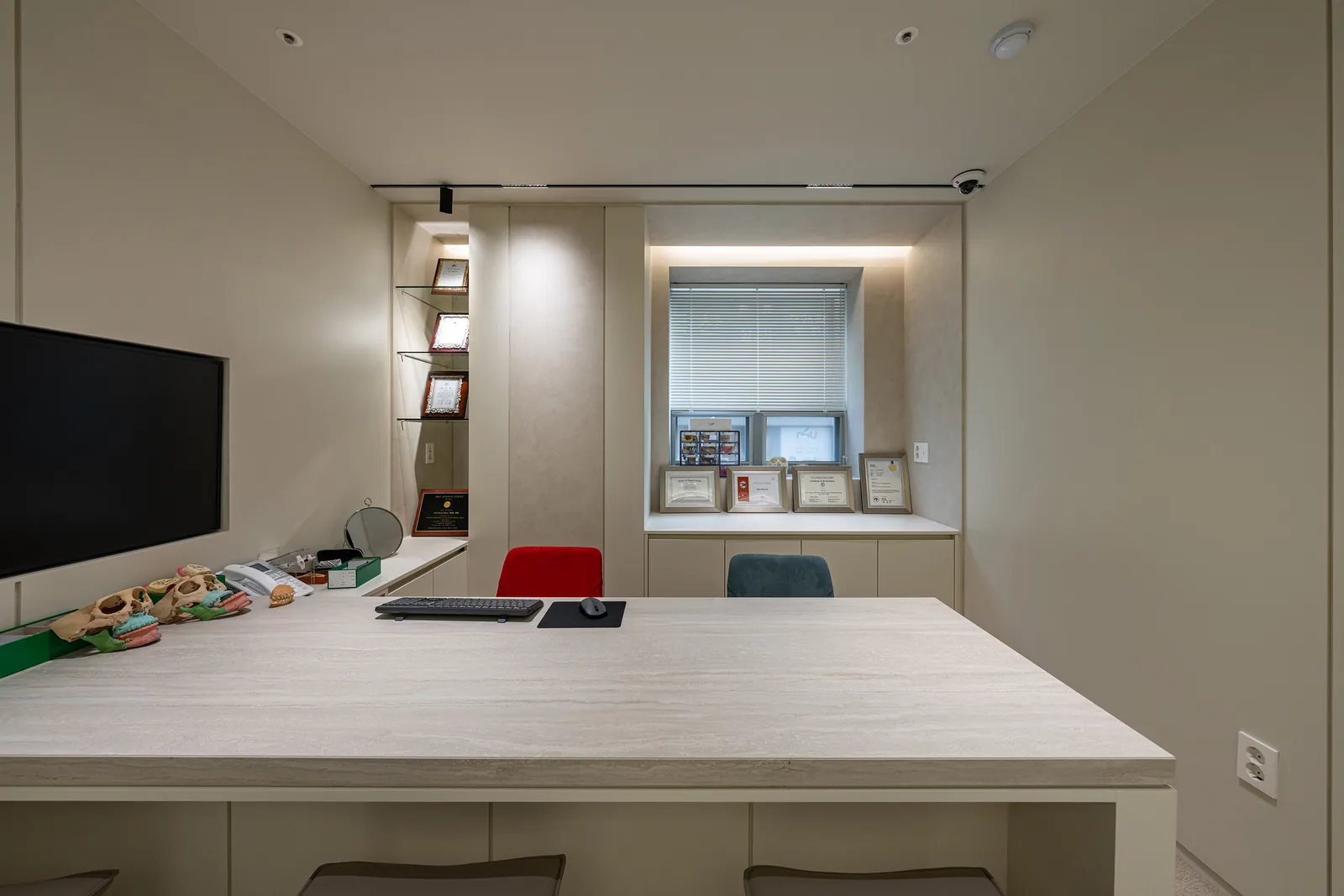
Consultation · Examination
We check the range of teeth visible when you smile, your bite, gum condition, and the cause of any discoloration. If cavity or gum treatment is needed first, we begin with that.
- 02
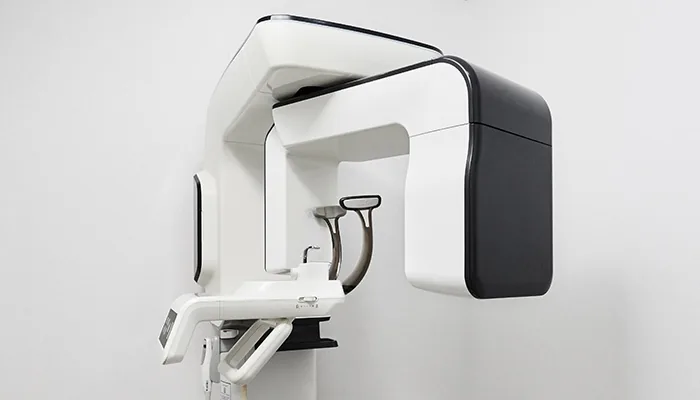
Diagnostic Wax-Up
We create the finished shape on a tooth model to preview and adjust the length, width, and alignment in advance.
- 03
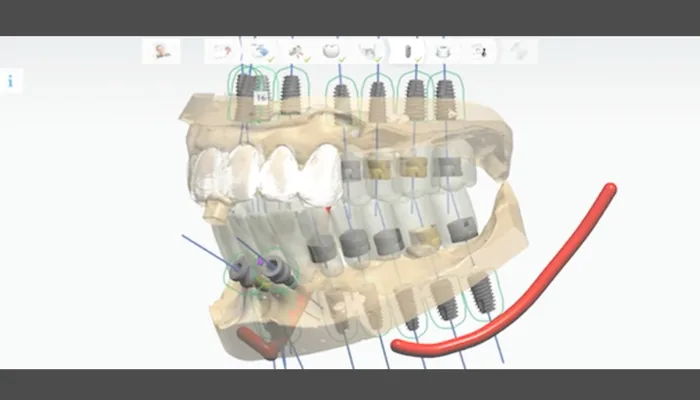
Tooth Shaping · Digital Impression
We reduce only the minimum amount necessary and take an impression with an intraoral scanner. You wear temporary laminates in the meantime.
- 04
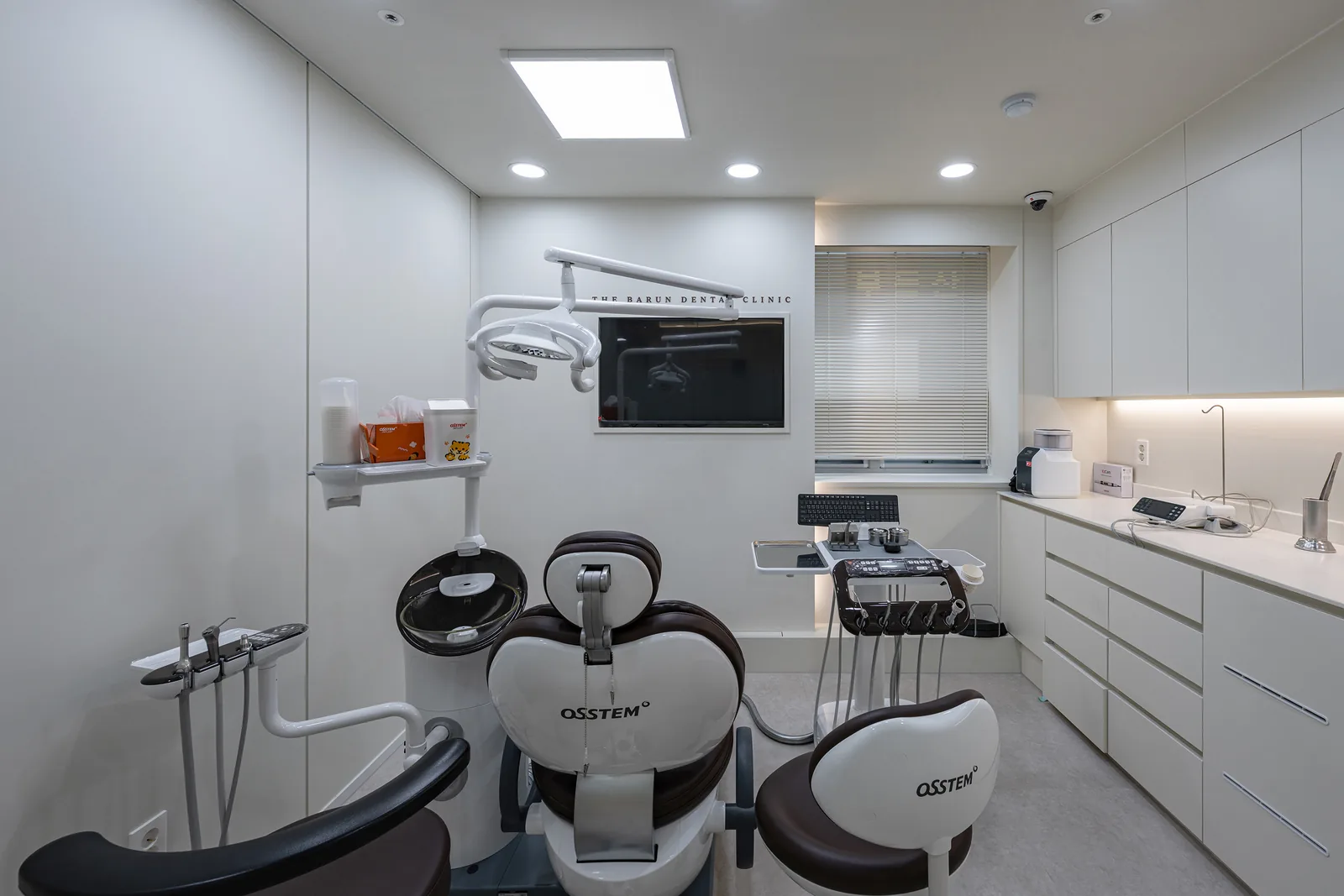
Ceramic Fabrication · Try-In
The ceramic made in the dental laboratory is placed in your mouth to check the color and shape, and adjusted if needed.
- 05
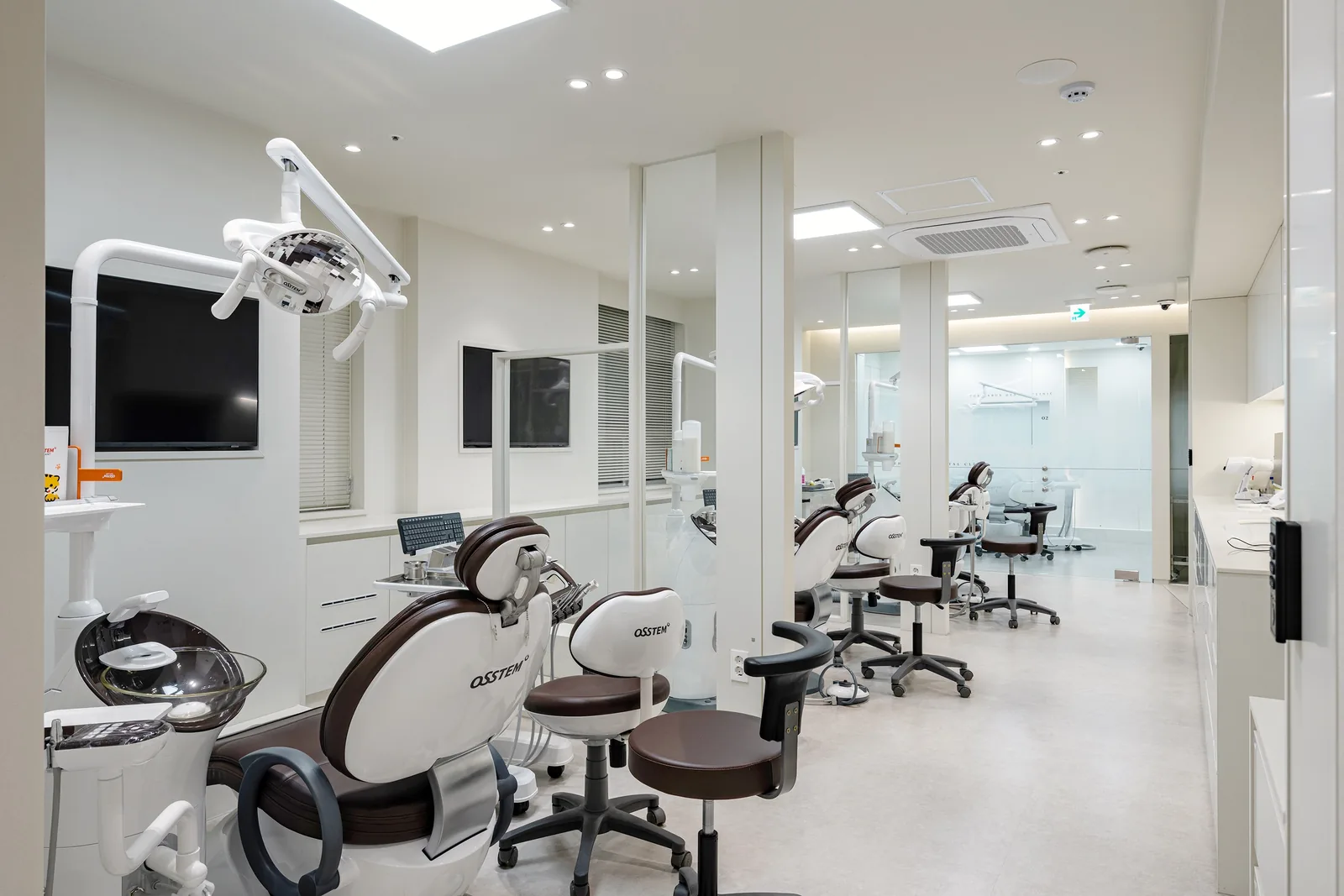
Bonding · Bite Adjustment
After preparing the tooth surface, we bond the laminates and adjust your bite. Regular checkups are held every 6 months.
How Recovery and Aftercare Continue
Recovery after veneers generally follows the order below. The timeline reflects an average course, and recovery speed varies from person to person.
| Timing | Condition and Care |
|---|---|
| Day of Bonding | No eating for 2 hours after bonding. Soft foods only on the day. |
| 1 – 2 weeks | Avoid colored foods and smoking, and do not tear food with your front teeth. Gums are adjusting during this period. |
| 1 Month | Follow-up visit to check bonding and bite. If you grind your teeth, a nighttime protective guard will be made. |
| Afterward | Check-up and scaling every 6 months. Brush and floss the same way as natural teeth. |
The director who consults with you oversees your veneer treatment from start to finish
At The Barunface, consultation, diagnosis, treatment, and follow-up are all handled by one person: Dr. Sang-Hoon Lee, a board-certified oral & maxillofacial surgeon. We do not hand off stages to staff or other doctors.
Because the doctor who performs your treatment remembers the concerns you shared and the diagnosis from your first consultation, you can return directly to the doctor who first diagnosed you if any discomfort arises after treatment.
We tell you in advance, as fully as we can, what the process will involve, and we try to be with you as much as possible at the points where you are likely to find it most difficult.
Treatment Standards and Basis
- Doctor in Charge
- Dr. Sang-Hoon Lee (Board-Certified Oral & Maxillofacial Surgeon)
- Materials
- Ceramic (e.max, etc.) laminates · No-prep Lumineers
- Diagnosis
- Digital impression with intraoral scanner · Diagnostic wax-up model
- Warranty
- Detachment · Fracture · Color: 3 months (based on the fee schedule warranty standard)
- Insurance
- Non-covered (not covered by national health insurance)
Laminate FAQ 20 questions
01How much do laminates cost in Busan?
At The Barunface, based on our non-covered fee schedule, the diagnostic wax-up model is KRW 100,000, Luminate is KRW 900,000 per tooth, and Luminate for 4 or more front teeth is KRW 800,000 per tooth. Veneers are not covered by national health insurance. Per the fee schedule, veneers are KRW 800,000 per tooth (KRW 700,000 per tooth for 4 or more front teeth), Luminate is KRW 900,000 per tooth (KRW 800,000 per tooth for 4 or more front teeth), and the diagnostic wax-up model is KRW 100,000. The total varies with the number of teeth and any prior treatment, and will be provided after diagnosis. The exact total will be given in writing after diagnosis.
02How long is the recovery period for veneers?
Day of bonding: No eating for 2 hours after bonding. Stick to soft foods for the rest of the day. Weeks 1–2: Avoid strongly colored foods and smoking, and do not bite into food with your front teeth. This is the gum adjustment period. 1 month: Visit for a check of the bonding and your bite. If you grind your teeth, a night guard will be made. After that: Checkups and scaling every 6 months. Brush and floss just as you would with natural teeth. Recovery speed varies from person to person.
03What are the side effects of veneers?
If tooth reduction is needed, veneers cannot be reversed. After the procedure, you may experience sensitivity, gum inflammation, discoloration at the bonded area, or fracture or detachment, and habits such as teeth grinding or nail biting increase the risk. Results vary from person to person. All surgeries and procedures may carry side effects such as bleeding, swelling, bruising, altered sensation, infection, asymmetry, and the possibility of revision surgery, and results and recovery speed vary from person to person. Please be sure to tell us about any systemic conditions, medications you are taking, and pregnancy during your consultation.
04What are the anesthesia and duration for veneers?
Local anesthesia is used (it may be omitted for no-prep veneers). At The Barunface, Dr. Sang-Hoon Lee, a board-certified oral & maxillofacial surgeon, personally treats every patient.
05How many veneers will I need?
It depends on how much of your teeth shows when you smile. Typically 4 upper front teeth or 6–8 teeth are done. When only 1–2 teeth are done, matching the color to the neighboring teeth is the key.
06How long does treatment take?
2–3 visits, about 1–2 weeks.
07Does it hurt?
Local anesthesia is used when shaping the teeth, so there is little to no pain. No-prep treatment is sometimes done without anesthesia.
08How long do veneers last?
Many last 10 years or more, depending on care. If a veneer fractures or comes off, it needs to be remade.
09Can a veneer be re-bonded if it comes off?
If it comes off undamaged, it can be re-bonded. Detachment or fracture within the warranty period (3 months) is handled according to our warranty terms.
10Will I be free from cavities after getting veneers?
No. The edges and back of veneers are natural tooth, so cavities and gum disease can still occur. Brushing, flossing, and regular checkups are needed.
11Can I choose the color?
Yes. The color is chosen considering your neighboring teeth, skin tone, and the brightness you want, and is confirmed at the try-in stage. A color that is too white can look unnatural, so we will discuss it together.
12Can veneers fix crooked teeth instead of orthodontics?
Mild alignment problems can be corrected. If there is severe crowding or a bite problem, orthodontics comes first. Our clinic has scaled back orthodontic treatment, so we will refer you to an orthodontist if needed.
13Can I get veneers if I grind my teeth?
Yes, but the risk of fracture is higher, so we recommend a night guard (teeth-grinding appliance) as well.
14Should I get veneers after whitening?
In some cases, the neighboring teeth are whitened first and the veneer color is matched afterward. We choose the veneer color after the color has stabilized, about 2 weeks after whitening.
15Are temporary veneers uncomfortable?
Temporary veneers are worn for about 1 week. If you avoid strongly colored and hard foods, there is little inconvenience in daily life.
16Why is there a price difference between Luminate and veneers?
No-prep Luminate requires thinner ceramic to be made and bonded with great precision, so it is priced KRW 100,000 higher per tooth.
17Can veneers be done on a front tooth that has had root canal treatment?
If the tooth has weakened, a crown may be safer. We decide based on the remaining tooth structure and the degree of discoloration.
18Is it possible for teeth with receding gums?
Depending on the condition of your gums, the veneer margin may become visible, so we first discuss gum treatment or the veneer length design.
19When can I get veneers after orthognathic (double jaw) surgery?
It is safer to proceed after your bite has stabilized (usually when orthodontic treatment after surgery is complete). We can plan the whole process together at your pre-surgery consultation.
20Is it covered by insurance?
Veneers are not covered by national health insurance.
Costs and what to know before your visit
| Item | Fee |
|---|---|
| Diagnostic Wax-Up Model | 1010,000 KRW |
| Lumineers (per tooth) | 9010,000 KRW |
| Lumineers, 4 or More Front Teeth (per tooth) | 8010,000 KRW |
| Laminates (per tooth) | 8010,000 KRW |
| Laminates, 4 or More Front Teeth (per tooth) | 7010,000 KRW |
Based on the non-covered fee schedule published by the director. The total cost varies depending on the extent of surgery, anesthesia, hospital stay, and tests. The exact cost will be provided after diagnosis.
Costs · Insurance
Laminates are non-covered by insurance. Based on our fee schedule: laminates are KRW 800,000 per tooth (KRW 700,000 per tooth for 4 or more front teeth), Lumineers are KRW 900,000 per tooth (KRW 800,000 per tooth for 4 or more front teeth), and the diagnostic wax-up model is KRW 100,000. The total varies depending on the number of teeth and any preliminary treatment, and will be explained after diagnosis. View non-covered fee schedule
Side effects · Precautions
If tooth reduction is needed, veneers cannot be reversed. After the procedure, you may experience sensitivity, gum inflammation, discoloration at the bonded area, or fracture or detachment, and habits such as teeth grinding or nail biting increase the risk. Results vary from person to person. All surgeries and procedures may carry side effects such as bleeding, swelling, bruising, altered sensation, infection, asymmetry, and the possibility of revision surgery, and results and recovery speed vary from person to person. Please be sure to tell us about any systemic conditions, medications you are taking, and pregnancy during your consultation.
This information complies with the Medical Service Act and medical advertising review standards, and treatment results and recovery may vary from person to person. Please make your decision only after consulting with a specialist.
Related treatments
This content was reviewed by board-certified oral & maxillofacial surgeon Dr. Sang-Hoon Lee, Directorfor medical accuracy · Last reviewed