

Answers at a Glance
What is sleep anesthesia (conscious sedation), and who is it right for?
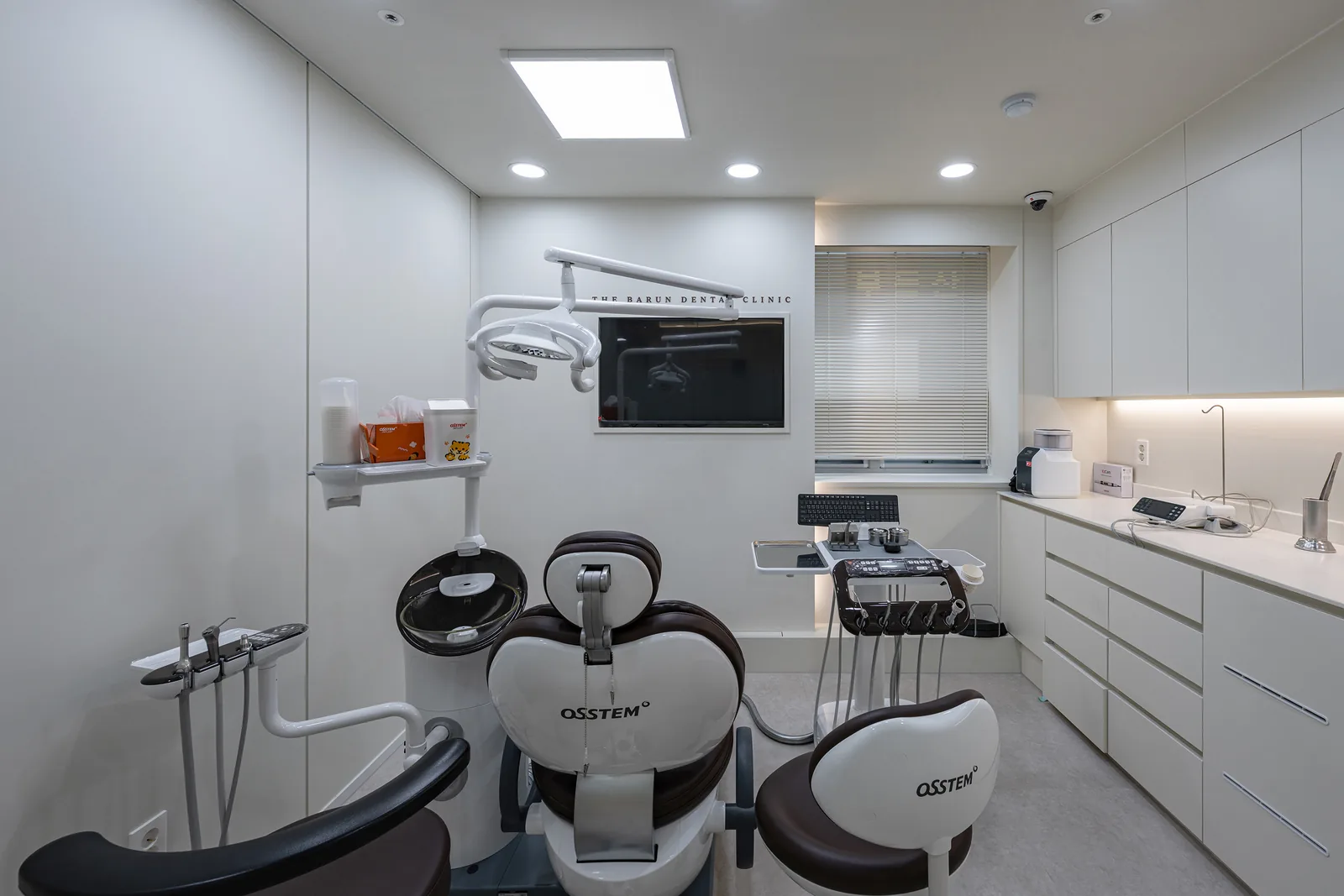
Conscious sedation (sleep anesthesia) is a method in which a sedative is given through an IV to reduce tension and fear, so you receive treatment in a drowsy state. Consciousness and breathing are maintained, and you will remember little of the treatment. It is used for wisdom tooth extraction, implants, pin removal, and minor surgery. The Barunface performs it in an environment equipped with a general anesthesia operating room, an anesthesiologist, oxygen, suction, and emergency equipment, and vital sign monitors. Whether it can be used is decided after we review your medical conditions and the medications you take.
- Doctor in Charge
- Dr. Sang-Hoon Lee, Board-Certified Oral & Maxillofacial Surgeon
- Diagnosis
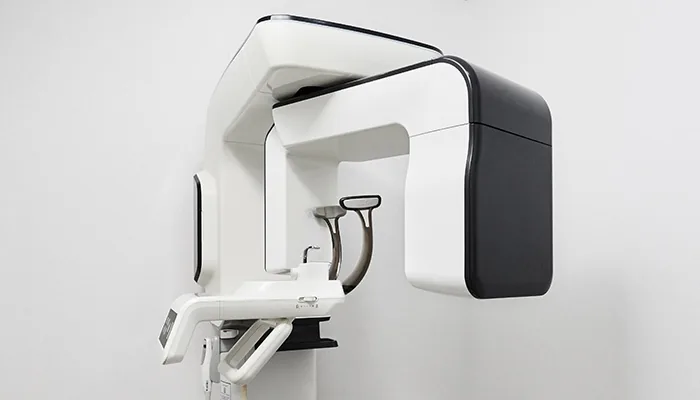
- Large FOV CBCT (3D CT) · Panoramic X-ray
- Anesthesia
- Local anesthesia · Conscious sedation · General anesthesia facilities
Board-Certified Oral & Maxillofacial Surgeon Dr. Sang-Hoon Lee Medically reviewed ·
Request a Consultation Consultation Prep Card11 Frequently Asked Questions
- Method
- IV sedation (midazolam, etc.)
- Consciousness · Breathing
- Maintained (not general anesthesia)
- Recovery
- Rest for 30 minutes – 1 hour, then go home
- Guardian
- Guardian required
- Fasting
- 6 hours
- Insurance
- Non-covered (fee schedule: KRW 300,000)
This content was reviewed by board-certified oral & maxillofacial surgeon Dr. Sang-Hoon Lee, Directorfor medical accuracy · Last reviewed
Recommended for You If
- For those who postpone treatment because of dental anxiety
- Those with a strong gag reflex
- For those having several wisdom teeth or several implants done at once
- For those who want to have pin removal or minor surgery comfortably
How is sleep anesthesia different from general anesthesia?
General anesthesia completely removes consciousness and spontaneous breathing and requires a tube placed in the airway, whereas conscious sedation is a deeply relaxed state in which breathing and reflexes are maintained. You can respond if called during treatment, and you will remember almost nothing after waking.
Is it safe?
Oxygen saturation, blood pressure, and ECG are continuously monitored, and our clinic has a general anesthesia operating room, emergency response equipment, and a collaborative system with an anesthesiologist. Risk factors such as sleep apnea, heart and lung disease, and advanced age are checked in advance to decide whether it can be used.
How should I prepare on the day?
Fasting for 6 hours, comfortable clothing, and a accompanying guardian are required. After treatment, rest for 30 minutes–1 hour before going home, and avoid driving, important decisions, and alcohol on the same day.
When Dr. Lee Recommends Treatment
Whether we recommend sleep anesthesia (conscious sedation) is decided by diagnosis, not by photos or trends. Below are the criteria Dr. Lee actually uses in consultations, in his own words.
Rather than operating on more patients, I wanted to listen fully to each person's story, think it through myself, and stay with them responsibly from surgery through recovery.
I try to be straightforward and plain: I explain why something can be done and why something cannot.
Tests and Preparation Before Your Consultation
The scope of treatment is decided by examination results. At your first visit, we review the items below, then explain which treatments are needed and which are not.
| Test | What We Look At |
|---|---|
| Panoramic X-ray · 3D CT | We check the tooth roots, jawbone, nerve canal, and surrounding structures. |
| Oral Examination | We directly examine your gum condition, tooth wear, and bite. |
| Medical History Review | We ask about any medications you take (blood thinners, osteoporosis medication, etc.) and any systemic conditions. |
What to Bring
- X-rays and CT scans from your previous dentist (if available)
- Names of medications you are taking — especially blood thinners, osteoporosis medication, and diabetes medication
- Systemic conditions · pregnancy status
- A note of the areas that bother you and when it started
- On the day of sleep anesthesia, please follow the guardian and fasting instructions (provided when you book)
Sleep Anesthesia (Conscious Sedation) Consultation Preparation Card (Printable)
How Your Care Proceeds
- 01
Pre-Check
Check of systemic conditions, medications, and allergies; fasting instructions
- 02
Sedation
IV line placement, monitor attachment, sedative administration
- 03
Treatment
Extraction, implant, or minor surgery
- 04
Recovery · Going Home
Rest for 30 minutes–1 hour, then go home with your guardian
Sleep anesthesia (conscious sedation) schedule and recovery at a glance
Basic information on treatment time, anesthesia, and recovery is summarized in the table. The actual schedule may vary depending on your diagnosis and individual condition, and will be explained again at your first visit.
| Item | Notice |
|---|---|
| Method | IV sedation (midazolam, etc.) |
| Consciousness · Breathing | Maintained (not general anesthesia) |
| Recovery | Rest for 30 minutes – 1 hour, then go home |
| Guardian | Guardian required |
| Fasting | 6 hours |
| Insurance | Non-covered (fee schedule: KRW 300,000) |
During sedation, respiratory depression, low blood pressure, nausea, and allergic reactions may rarely occur, so it is performed under monitoring. On the day of treatment, driving, operating machinery, and drinking alcohol are prohibited, and you must be accompanied by a guardian. All surgeries and procedures may involve side effects such as bleeding, swelling, bruising, altered sensation, infection, asymmetry, and the possibility of revision surgery, and results and recovery speed vary from person to person. Please be sure to tell us about any medical conditions, medications you take, and pregnancy during your consultation.
The doctor who consults with you oversees your sleep anesthesia (conscious sedation) from start to finish
At The Barunface, consultation, diagnosis, treatment, and follow-up are all handled by one person: Dr. Sang-Hoon Lee, a board-certified oral & maxillofacial surgeon. We do not hand off stages to staff or other doctors.
Because the doctor who performs your treatment remembers the concerns you shared and the diagnosis from your first consultation, you can return directly to the doctor who first diagnosed you if any discomfort arises after treatment.
We tell you in advance, as fully as we can, what the process will involve, and we try to be with you as much as possible at the points where you are likely to find it most difficult.
Treatment Standards and Basis
- Doctor in Charge
- Dr. Sang-Hoon Lee, Board-Certified Oral & Maxillofacial Surgeon
- Diagnosis
- Large FOV CBCT (3D CT) · Panoramic X-ray
- Anesthesia
- Local anesthesia · Conscious sedation · General anesthesia facilities
Sleep Anesthesia (Conscious Sedation) FAQ 11 questions
01How much does sleep anesthesia (conscious sedation) cost in Busan?
According to The Barunface's non-covered fee schedule, sleep anesthesia (conscious sedation) is KRW 300,000. Sleep anesthesia (conscious sedation) is not covered by insurance and is KRW 300,000 per the fee schedule. The cost of treatment is separate. The exact total will be provided in writing after diagnosis.
02How long is the recovery after sleep anesthesia (conscious sedation)?
Most people return to daily life after resting for 30 minutes to 1 hour and then going home. Recovery speed varies from person to person.
03What are the side effects of sleep anesthesia (conscious sedation)?
During sedation, respiratory depression, low blood pressure, nausea, and allergic reactions may rarely occur, so it is performed under monitoring. On the day of treatment, driving, operating machinery, and drinking alcohol are prohibited, and you must be accompanied by a guardian. All surgeries and procedures may involve side effects such as bleeding, swelling, bruising, altered sensation, infection, asymmetry, and the possibility of revision surgery, and results and recovery speed vary from person to person. Please be sure to tell us about any medical conditions, medications you take, and pregnancy during your consultation.
04Will I fall completely asleep?
You are deeply drowsy but may respond when called. Most people do not remember the treatment.
05What about treatments that require general anesthesia?
Major surgeries such as orthognathic (double jaw) and facial contouring surgery are performed under general anesthesia. Our clinic offers both options.
06Is it possible without a guardian?
For your safety, a guardian must accompany you.
07What about the cost?
It is 300,000 KRW, and treatment costs are separate.
08Is it okay if I have high blood pressure or diabetes?
We check how well your condition is under control and decide after consulting with internal medicine if necessary.
09Is it possible during pregnancy?
Avoided during pregnancy.
10Is it available for children?
Our clinic mainly treats adults; for children, we provide guidance after a consultation.
11Will I feel dizzy after waking up?
You may feel drowsy for several hours, so we recommend resting for the rest of the day.
Costs and what to know before your visit
| Item | Fee |
|---|---|
| Sleep Anesthesia (Conscious Sedation) | 3010,000 KRW |
Based on the non-covered fee schedule published by the director. The total cost varies depending on the extent of surgery, anesthesia, hospital stay, and tests. The exact cost will be provided after diagnosis.
Costs · Insurance
Sleep anesthesia (conscious sedation) is not covered by insurance and costs 300,000 KRW according to the fee schedule. Treatment costs are separate. View non-covered fee schedule
Side effects · Precautions
During sedation, respiratory depression, low blood pressure, nausea, and allergic reactions may rarely occur, so it is performed under monitoring. On the day of treatment, driving, operating machinery, and drinking alcohol are prohibited, and you must be accompanied by a guardian. All surgeries and procedures may involve side effects such as bleeding, swelling, bruising, altered sensation, infection, asymmetry, and the possibility of revision surgery, and results and recovery speed vary from person to person. Please be sure to tell us about any medical conditions, medications you take, and pregnancy during your consultation.
This information complies with the Medical Service Act and medical advertising review standards, and treatment results and recovery may vary from person to person. Please make your decision only after consulting with a specialist.
Related treatments
This content was reviewed by board-certified oral & maxillofacial surgeon Dr. Sang-Hoon Lee, Directorfor medical accuracy · Last reviewed